
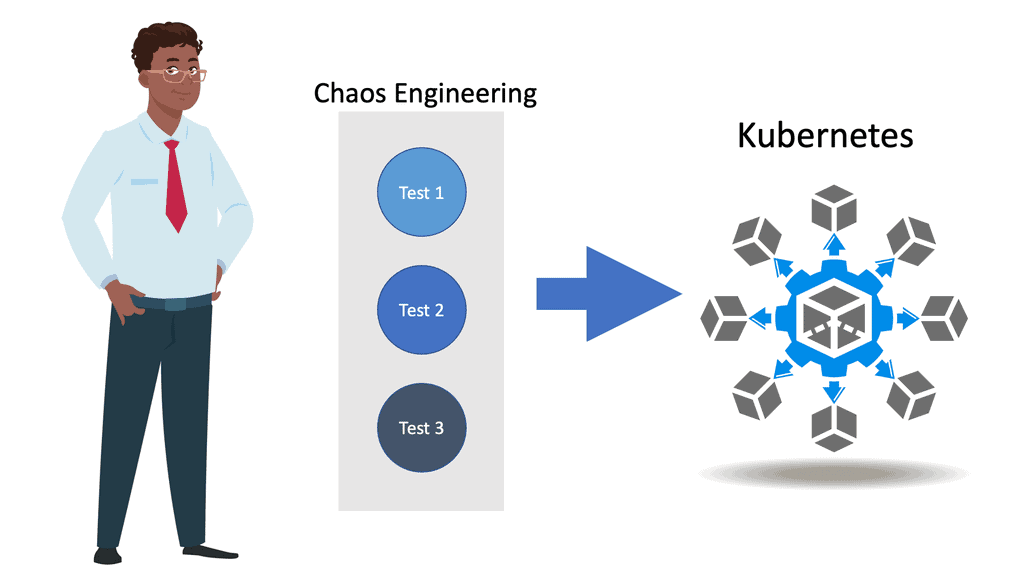
Chaos Engineering Kuberentes In Kubernetes environments, reliability cannot be measured simply by whether workloads are running. Distributed applications can remain technically available while experiencing increased latency, elevated error rates, resource exhaustion, or degraded dependencies. Chaos Engineering provides a controlled way to expose these weaknesses before they become production incidents. Chaos …

Docker Container Security Docker containerization transformed application deployment by packaging software, libraries, configuration, and runtime dependencies into portable images. This improves consistency across development, testing, and production environments, but containerization does not eliminate the underlying security model of the host. Containers share the host operating system kernel, making container isolation, …
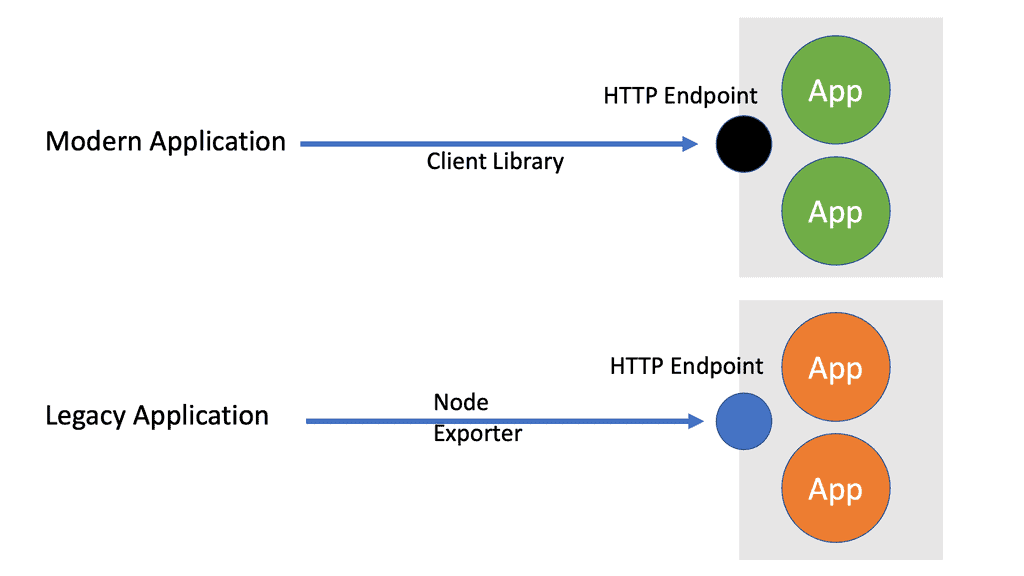
Prometheus Metric Types Prometheus is a widely used open-source monitoring and alerting system built around a time-series data model. Instead of treating monitoring data as a collection of static values, Prometheus stores measurements as time series identified by metric names and labels. Choosing the correct metric type is therefore important …

Prometheus Monitoring: The Pull Approach In modern monitoring and observability environments, Prometheus is widely used to collect, store, query, and alert on time-series metrics. One of its defining architectural characteristics is the pull-based collection model: rather than requiring every monitored application to continuously send metrics to a central monitoring service, …

Starting Observability OpenShift networking provides the connectivity layer that allows containerised workloads to communicate with one another, access platform services, and expose applications outside the cluster. Because OpenShift runs distributed workloads across multiple worker nodes, networking must provide more than basic IP connectivity: it must support pod-to-pod communication, service discovery, …

OpenShift Networking OpenShift, developed by Red Hat, is a leading container platform that enables organizations to streamline their application development and deployment processes. With its robust networking capabilities, OpenShift provides a secure and scalable environment for running containerized applications. This blog post will explore the critical aspects of OpenShift networking …
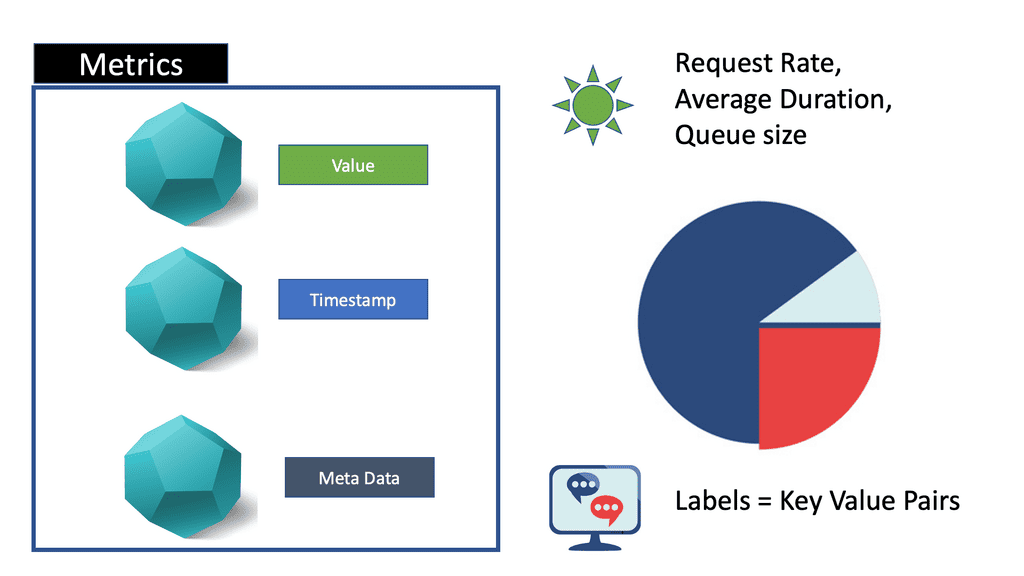
Autoscaling Observability Modern applications rarely operate at a constant workload. Traffic can change rapidly, services can be distributed across multiple hosts, and workloads may scale up or down automatically in response to demand. In this environment, autoscaling observability provides the visibility required to understand not only whether a system is …
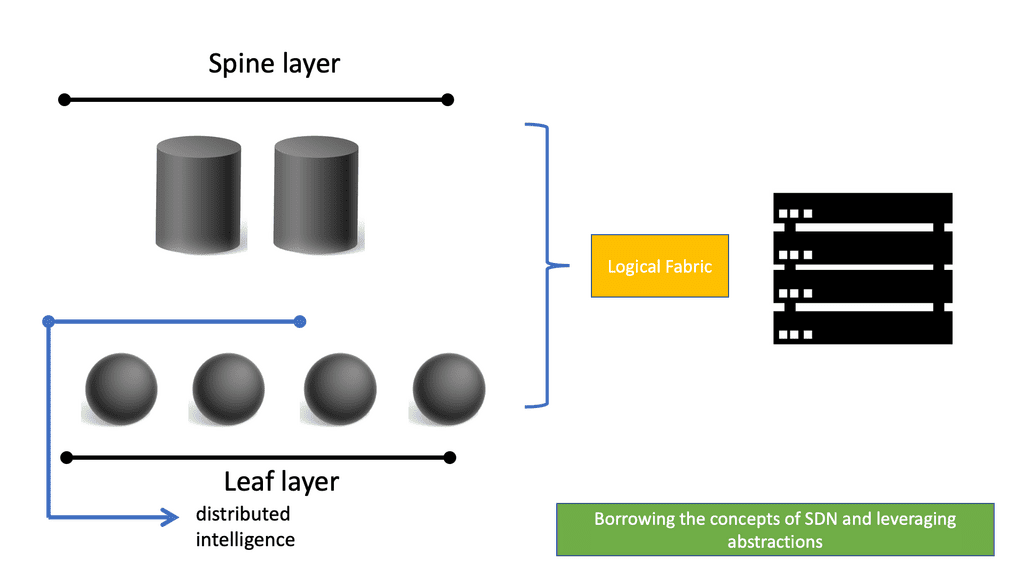
ACI Networks Cisco Application Centric Infrastructure (ACI) is a software-defined networking architecture designed to connect applications, workloads, and network infrastructure through a common policy model. Rather than configuring every switch and interface independently, ACI allows network behaviour to be expressed through application requirements and translated into fabric-level configuration and policy. …

Service Level Objectives (SLOs) Modern digital services are expected to be fast, available, and dependable—not simply operational. Service Level Objectives (SLOs) provide a measurable way to define what “reliable enough” means for users and to turn that expectation into an engineering target. Rather than treating availability or performance as abstract …
Observability vs Monitoring Modern distributed systems generate enormous amounts of telemetry across applications, infrastructure, networks, databases, containers, and cloud services. As systems become more dynamic, simply knowing that something is “up” is no longer enough. Engineers need to understand what is happening, where it is happening, why it is happening, …
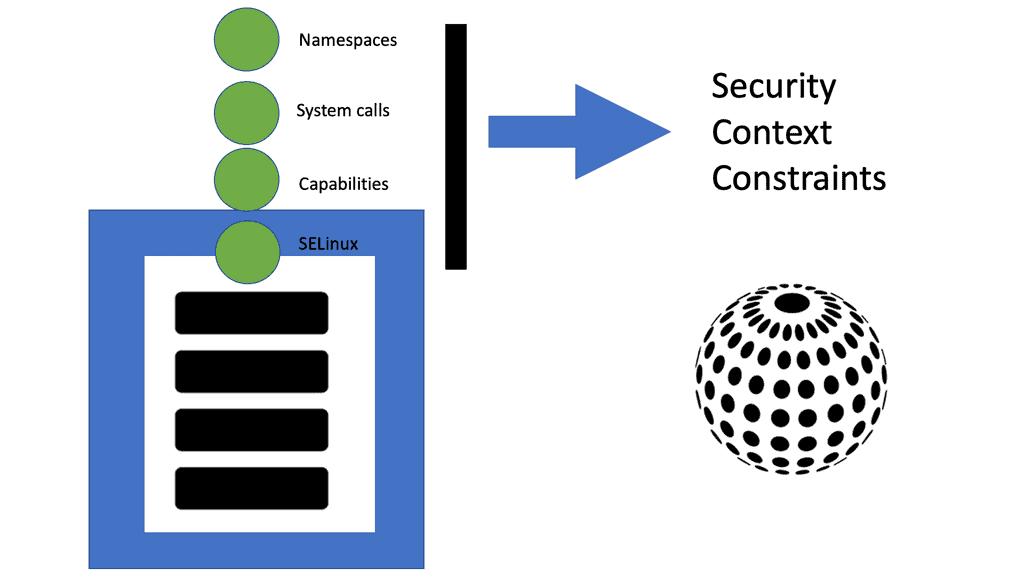
OpenShift Security Best Practices Security is a fundamental requirement for modern container platforms, particularly when OpenShift is used to host business-critical applications and services. Securing an OpenShift environment requires more than protecting individual containers. The security model spans identities, workloads, images, namespaces, network traffic, cluster configuration, secrets, observability, and the …

Distributed Systems Observability In the realm of modern technology, distributed systems have become the backbone of numerous applications and services. However, the increasing complexity of such systems poses significant challenges when it comes to monitoring and understanding their behavior. This is where observability steps in, offering a comprehensive solution to …