

Starting Observability OpenShift networking provides the connectivity layer that allows containerised workloads to communicate with one another, access platform services, and expose applications outside the cluster. Because OpenShift runs distributed workloads across multiple worker nodes, networking must provide more than basic IP connectivity: it must support pod-to-pod communication, service discovery, …

OpenShift Networking OpenShift, developed by Red Hat, is a leading container platform that enables organizations to streamline their application development and deployment processes. With its robust networking capabilities, OpenShift provides a secure and scalable environment for running containerized applications. This blog post will explore the critical aspects of OpenShift networking …
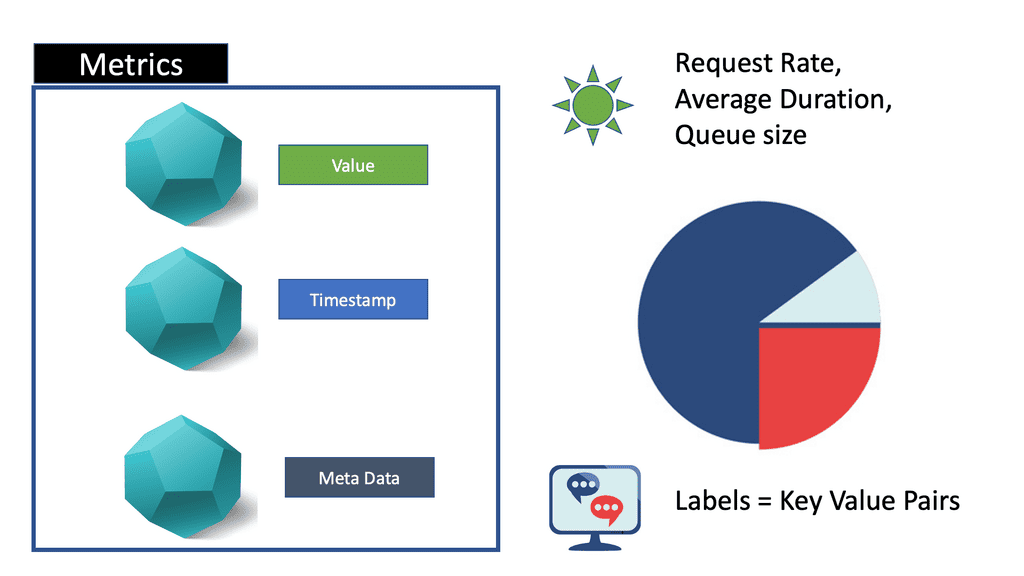
Autoscaling Observability Modern applications rarely operate at a constant workload. Traffic can change rapidly, services can be distributed across multiple hosts, and workloads may scale up or down automatically in response to demand. In this environment, autoscaling observability provides the visibility required to understand not only whether a system is …
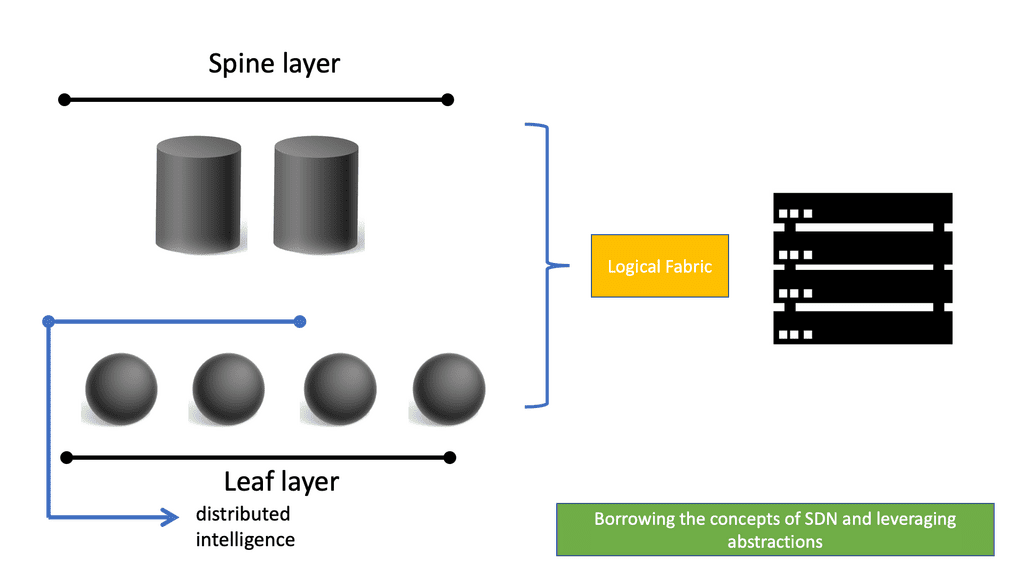
ACI Networks Cisco Application Centric Infrastructure (ACI) is a software-defined networking architecture designed to connect applications, workloads, and network infrastructure through a common policy model. Rather than configuring every switch and interface independently, ACI allows network behaviour to be expressed through application requirements and translated into fabric-level configuration and policy. …

Service Level Objectives (SLOs) Modern digital services are expected to be fast, available, and dependable—not simply operational. Service Level Objectives (SLOs) provide a measurable way to define what “reliable enough” means for users and to turn that expectation into an engineering target. Rather than treating availability or performance as abstract …
Observability vs Monitoring Modern distributed systems generate enormous amounts of telemetry across applications, infrastructure, networks, databases, containers, and cloud services. As systems become more dynamic, simply knowing that something is “up” is no longer enough. Engineers need to understand what is happening, where it is happening, why it is happening, …
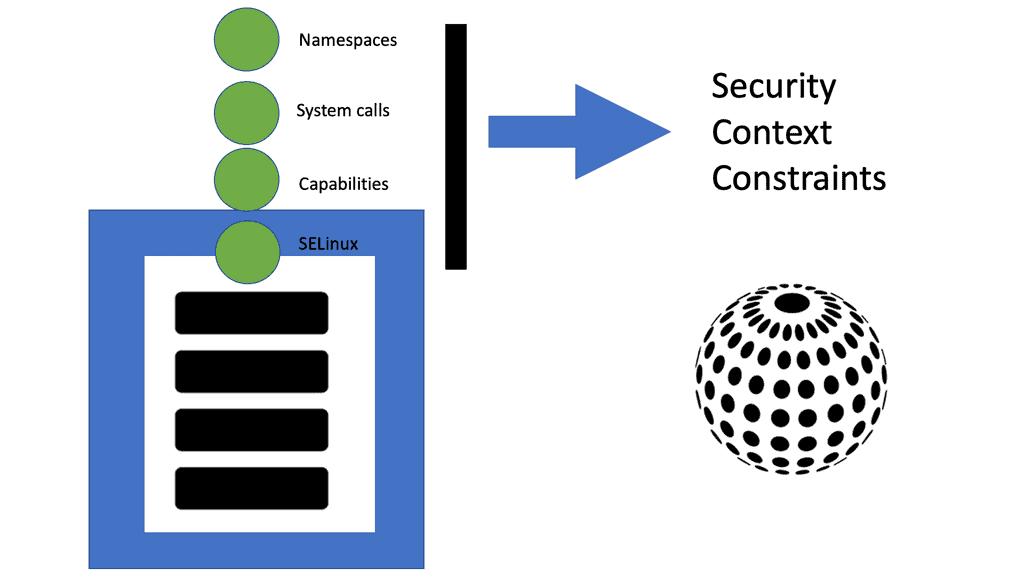
OpenShift Security Best Practices Security is a fundamental requirement for modern container platforms, particularly when OpenShift is used to host business-critical applications and services. Securing an OpenShift environment requires more than protecting individual containers. The security model spans identities, workloads, images, namespaces, network traffic, cluster configuration, secrets, observability, and the …

Distributed Systems Observability In the realm of modern technology, distributed systems have become the backbone of numerous applications and services. However, the increasing complexity of such systems poses significant challenges when it comes to monitoring and understanding their behavior. This is where observability steps in, offering a comprehensive solution to …
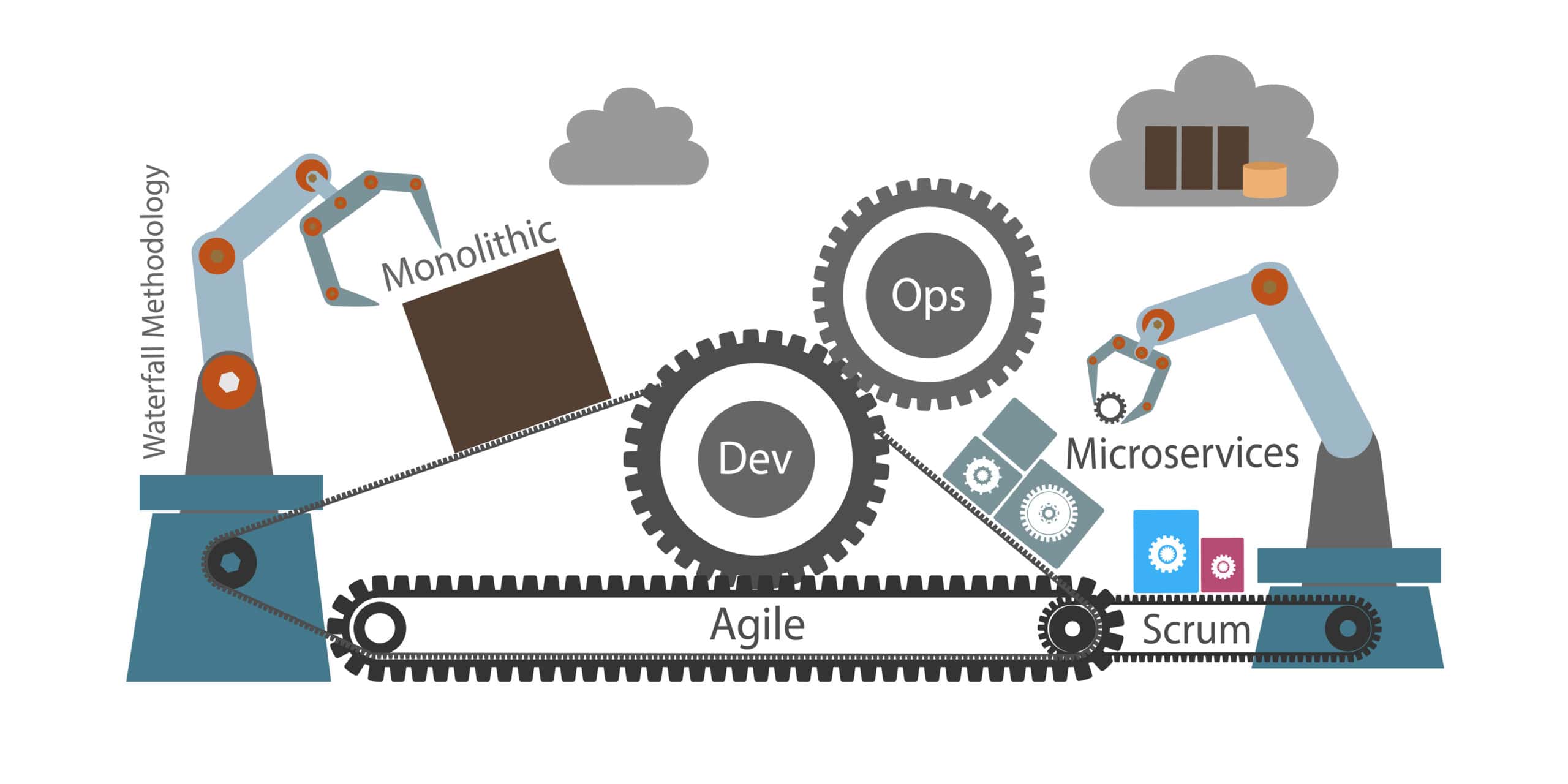
Reliability In Distributed System Distributed systems are now fundamental to modern computing. Cloud platforms, payment systems, e-commerce applications, content delivery networks, databases, telecommunications services, and AI platforms all depend on multiple machines and services working together across networks. This architecture provides scalability, flexibility, and resilience, but it also introduces a …
Baseline Engineering In modern networks, “normal” is not a single number. Network behaviour changes throughout the day as users connect, applications scale, workloads move between data centres and cloud platforms, and traffic patterns shift. Network baseline engineering provides a structured way to understand that normal behaviour and use it as …
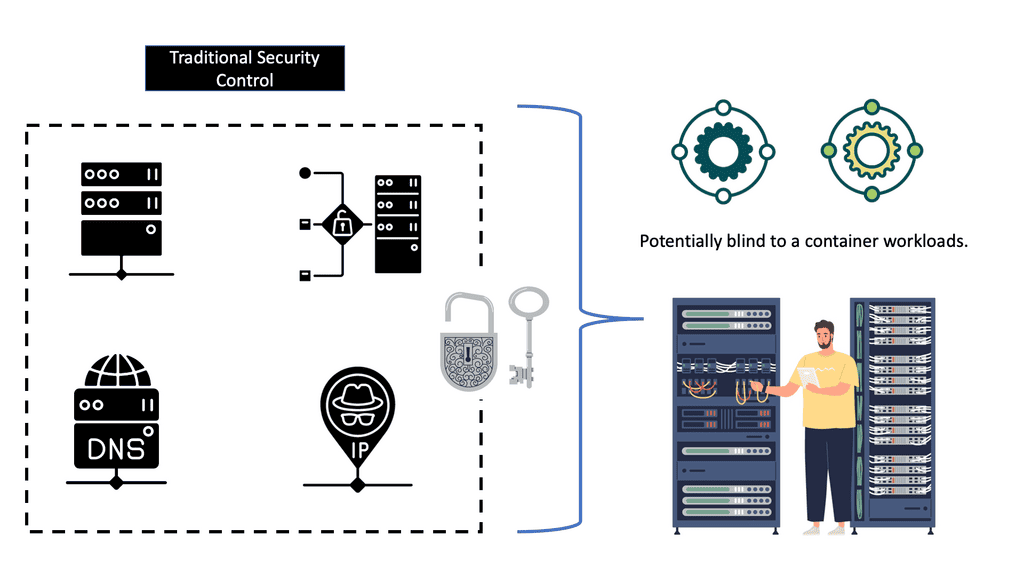
Docker Security Options Container security is no longer limited to protecting a Docker daemon or scanning an image for known vulnerabilities. Modern container environments span the software supply chain, container runtime, host operating system, network, secrets, registries, CI/CD pipelines, and often an orchestration platform such as Kubernetes. Docker provides a …

SDP VPN Although organizations realize the need to upgrade their approach to user access control, deploying existing technologies is holding back the introduction of Software Defined Perimeter (SDP). A recent Cloud Security Alliance (CSA) report on the “State of Software-Defined Perimeter” states that existing in-place security technologies are …