
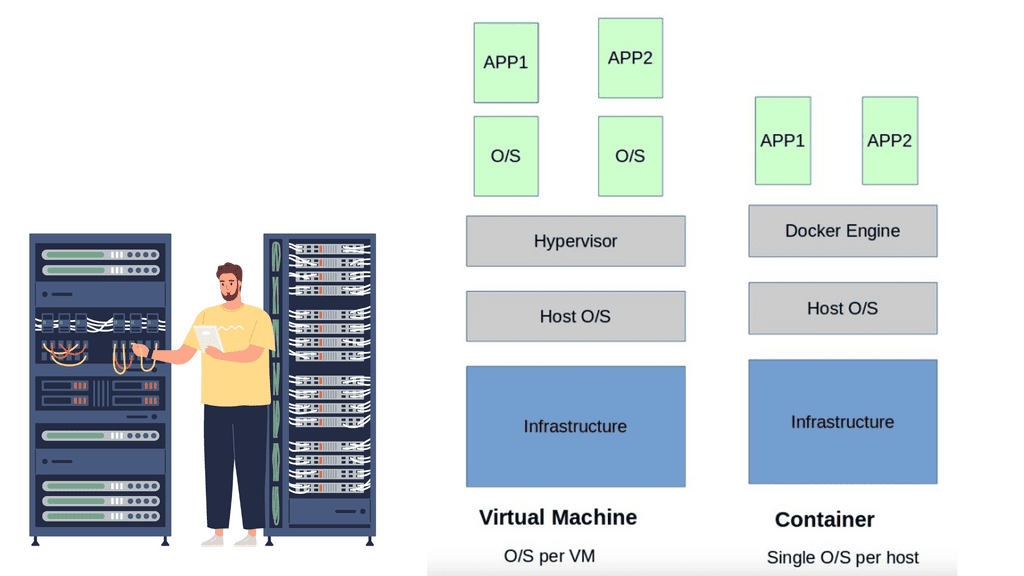
Docker Default Networking 101 Docker provides several networking modes that determine how containers communicate with one another, the host, and external networks. The default bridge networking model is one of the most commonly encountered configurations and provides a practical starting point for understanding Docker networking, virtual Ethernet interfaces, Linux bridges, …

Neutron Network OpenStack Neutron provides the networking services that allow OpenStack cloud workloads to communicate with one another, with external networks, and with other infrastructure. Rather than treating networking as a fixed physical configuration, Neutron exposes networking capabilities through APIs so that cloud tenants and operators can create and manage …

OpenvSwitch Performance Open vSwitch (OVS) is an open-source multilayer virtual switch designed for programmable networking in virtualized, containerized, and software-defined infrastructure. It provides a way to connect virtual machines, containers, physical interfaces, and logical networks while supporting features such as VLANs, tunnelling, flow-based forwarding, QoS, traffic control, mirroring, and integration …
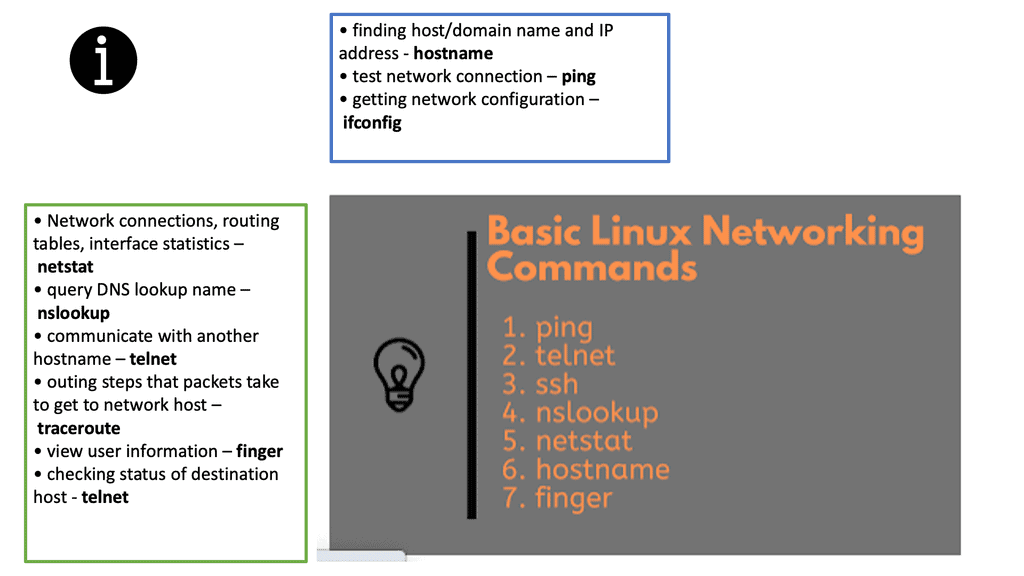
Linux Networking Subsystem Linux provides one of the most flexible networking stacks available on a general-purpose operating system. It can operate as an endpoint, router, firewall, bridge, VPN gateway, container host, virtual network platform, or network appliance. Its networking capabilities extend from conventional IP configuration to advanced routing, namespaces, virtual …
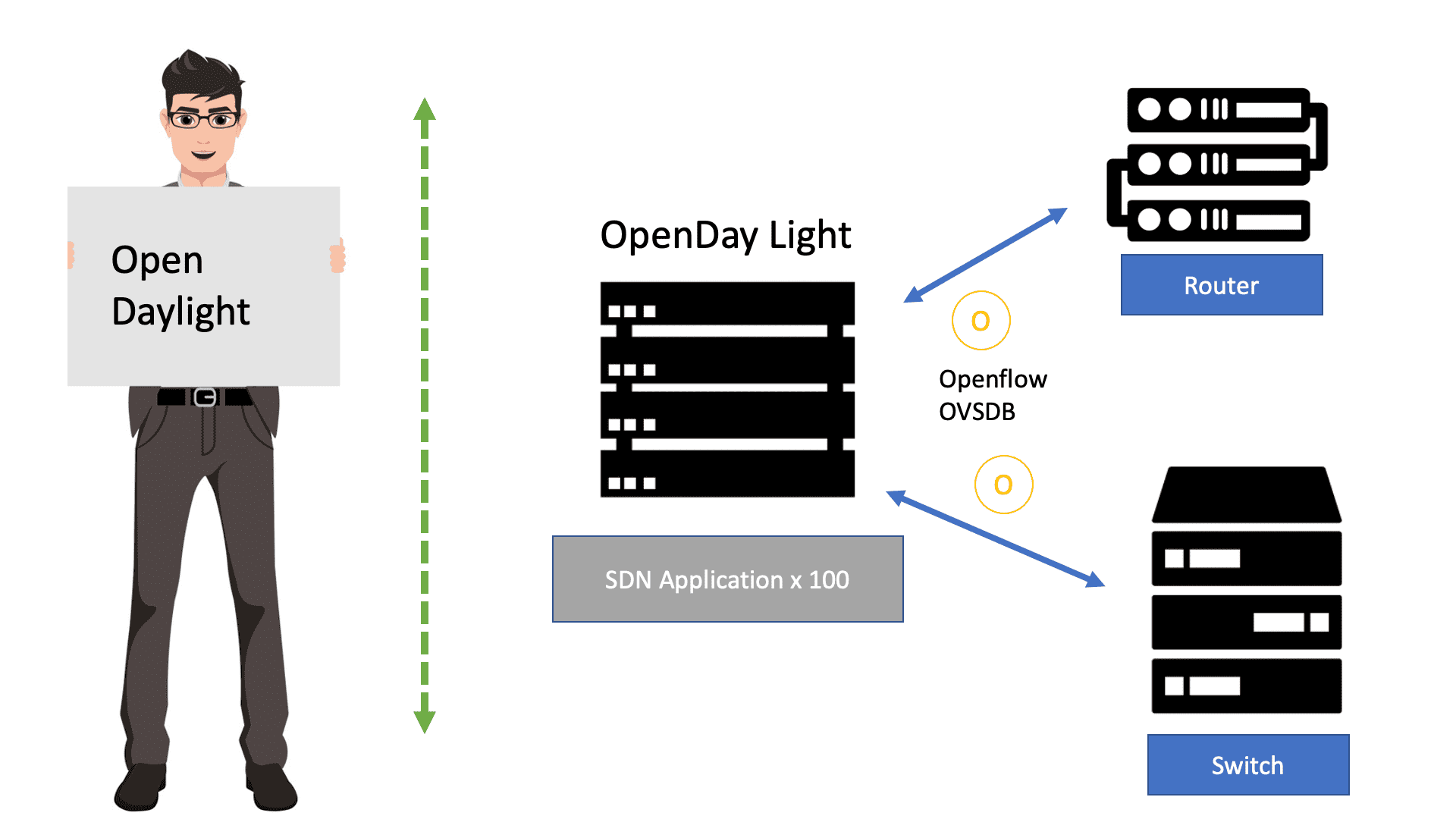
OpenDaylight OpenDaylight (ODL) is an open-source platform for building programmable network control and automation solutions. Originally developed as an SDN controller, OpenDaylight helped establish the idea that network control could be separated from individual hardware platforms and exposed through software-driven APIs. Today, OpenDaylight is best understood as a modular network-control …

OpenStack Neutron OpenStack Neutron is the networking service within OpenStack, providing APIs and abstractions for creating, connecting, securing and managing virtual networks for cloud workloads. Rather than being a physical network switch or router, Neutron provides the control-plane framework through which cloud networking resources and policies are defined. Neutron allows …

OpenStack Neutron Security Groups OpenStack Neutron Security Groups provide a virtual network security control for workloads connected to OpenStack networks. They apply traffic rules to virtual ports and can control which connections are permitted to and from instances and other resources. A security group can be thought of as a …

Kubernetes Network Namespace Kubernetes networking relies heavily on Linux network namespaces to provide isolated network environments for Pods. Understanding network namespaces is essential for understanding how Kubernetes connects Pods, Nodes, Services and external networks. Kubernetes networking is built around several interacting components. Pods provide the basic workload networking unit, the …
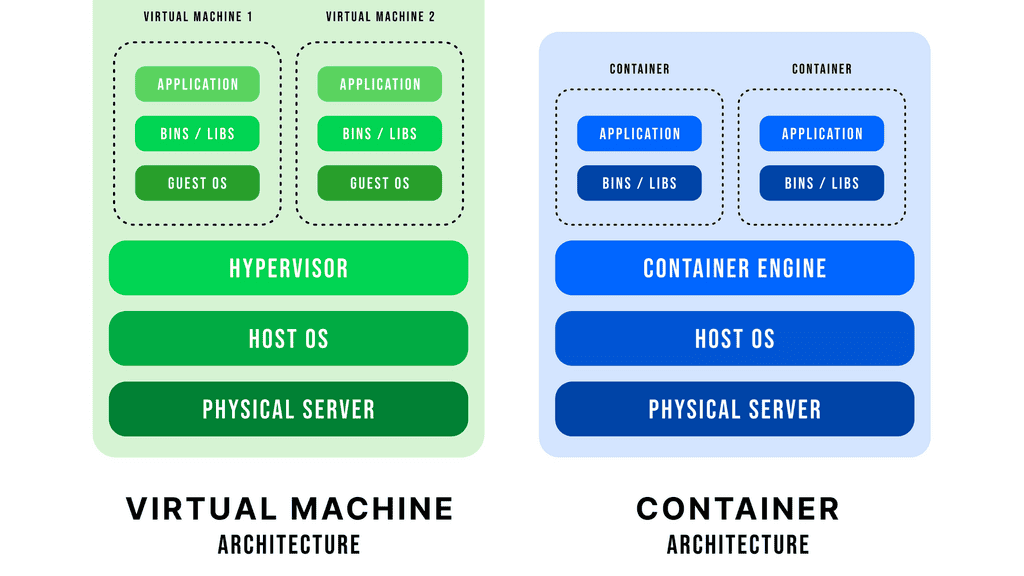
Container Networking Container networking provides the connectivity layer that allows containers to communicate with each other, with host systems, with services and with external networks. As container platforms have evolved from individual hosts to distributed orchestration environments, networking has become an important part of application architecture rather than simply a …

Hands On Kubernetes Welcome to Kubernetes, the platform that has become a foundation for deploying and operating containerised applications at scale. Kubernetes, commonly abbreviated as K8s, is an open-source container orchestration platform designed to automate the deployment, scaling, networking, and lifecycle management of containerised workloads. Rather than managing individual containers …

Container Scheduler In modern application development and deployment, containerization has gained immense popularity. Containers allow developers to package their applications and dependencies into portable and isolated environments, making them easily deployable across different systems. However, as the number of containers grows, managing and orchestrating them becomes complex. This is where …
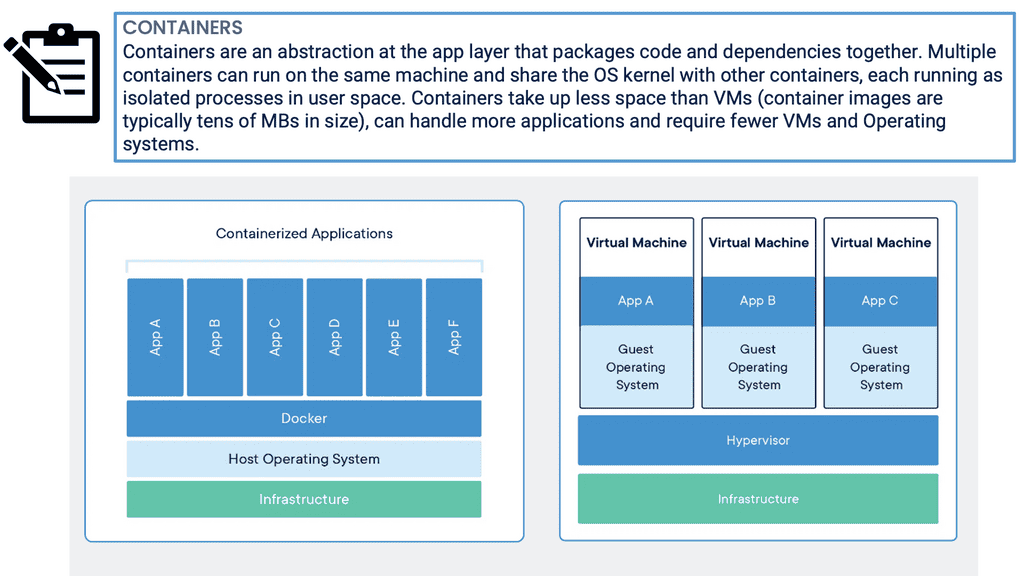
Container Based Virtualization Container-based virtualization, or containerization, is a popular technology revolutionizing how we deploy and manage applications. In this blog post, we will explore what container-based virtualization is, why it is gaining traction, and how it differs from traditional virtualization techniques. Container-based virtualization is a lightweight alternative to traditional …