

Multipath TCP In a world where devices routinely have access to multiple networks, relying on a single network path can introduce unnecessary limitations. A smartphone may have both Wi-Fi and cellular connectivity. A server may have multiple interfaces or upstream paths. Edge and cloud environments may also have several available …

Dropped Packet Test In modern networks, reliable packet delivery is fundamental to application performance, voice and video quality, cloud connectivity, and user experience. When packets are dropped, the impact can range from minor retransmissions and increased latency to severe application degradation, unstable sessions, and service outages. The challenge for network …

IPFIX Big Data Modern networks generate enormous volumes of telemetry, and understanding that telemetry is essential for performance, capacity planning, security, and operational visibility. IPFIX (Internet Protocol Flow Information Export) provides a standardised way for network devices to export information about observed traffic flows. When these records are collected at …

6LoWPAN Range As the Internet of Things continues to expand, connecting large numbers of constrained devices requires networking technologies that can operate with limited power, memory, bandwidth, and packet sizes. 6LoWPAN (IPv6 over Low-Power Wireless Personal Area Networks) addresses this challenge by providing mechanisms that allow IPv6 packets to operate …

I had the pleasure to contribute to Nominum’s Security Report. Kindly click on the link to register and download – Matt Conran with Nominum “Nominum Data Science just released a new Data Science and Security report that investigates the largest threats affecting organizations and individuals, including ransomware, DDoS, mobile device …
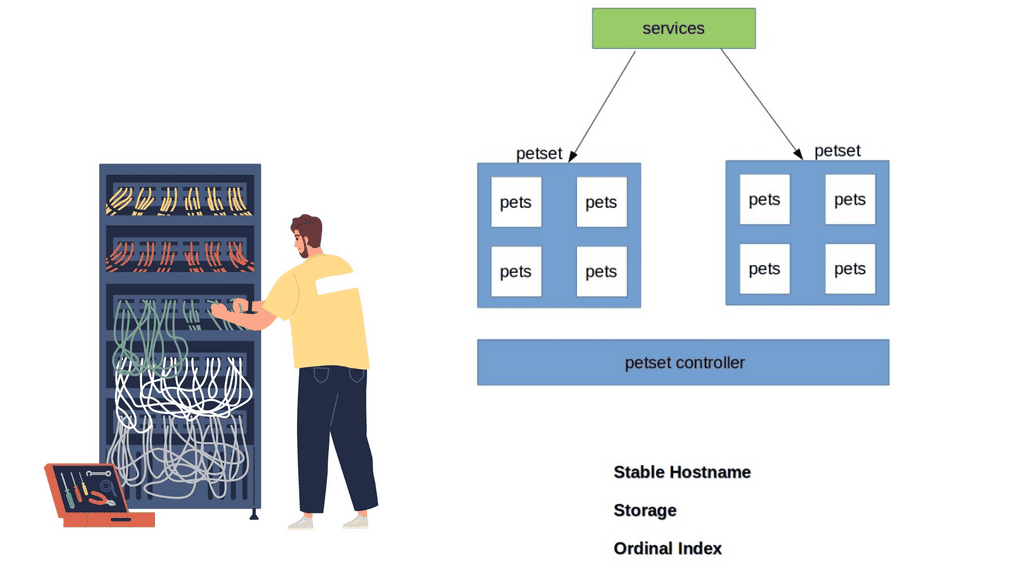
Kubernetes PetSets In Kubernetes, managing applications that maintain persistent state requires different considerations from running stateless workloads. Web front ends and many API services can often be replaced or rescheduled without preserving the identity of an individual Pod. Databases, distributed queues, clustered storage systems, and other stateful workloads may require …
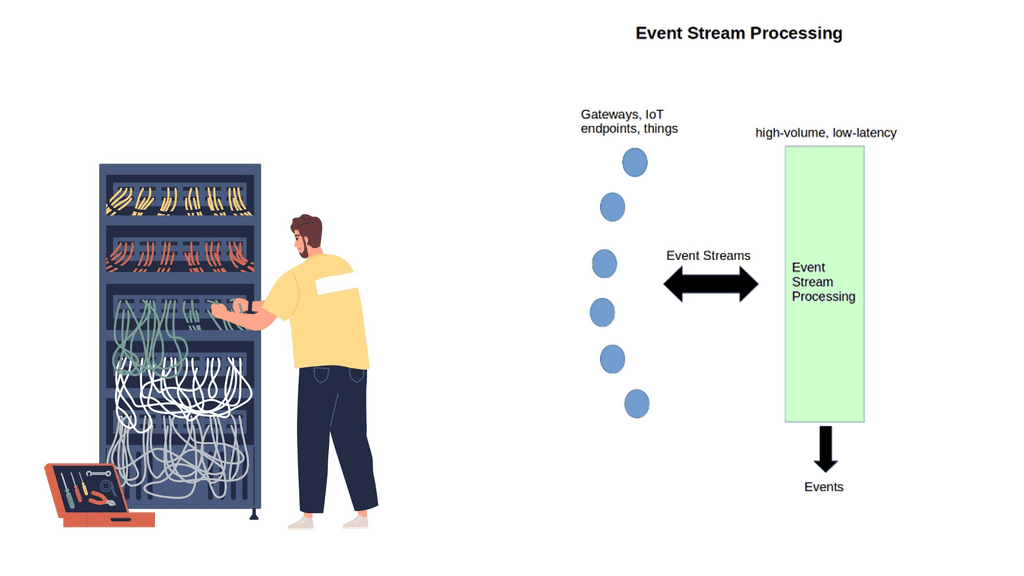
Event Stream Processing Modern applications generate a continuous flow of events: transactions, API requests, network telemetry, IoT measurements, security alerts, application logs, user interactions, and changes to business systems. Processing these events as they occur has become increasingly important because many operational decisions cannot wait for a batch job to …
Internet of Things Theory The Internet of Things (IoT) has evolved from the simple idea of connecting physical devices to the Internet into a broader architecture for collecting, transporting, processing, and acting on data from the physical world. Sensors, actuators, embedded systems, gateways, networks, cloud platforms, and edge-computing infrastructure can …

I recently completed a two-part post for notice on the challenges of Network Automation. Kindly click the link to view Part 1 – Matt Conran and netYCE. Part 2 – Matt Conran and netYCE “Even with all the buzz and hype over the last few years circulating network automation, only a small …

I completed a blueprint for Ravello Cloud. Kindly click here – Matt Conran with Ravello Cloud.[...]

I recently completed a two-part guest post for DNS-based company NS1. It discusses Internet challenges and introduces the NS1 traffic management solution – Pulsar. Part 1, kindly click – Matt Conran with NS1, and Part 2, kindly click – Matt Conran with NS1 Traffic Management. “Application and service delivery over the public Internet is …
Kubernetes Networking 101 Kubernetes networking is fundamental to how applications communicate inside and outside a cluster. Unlike traditional server networking, Kubernetes creates an abstraction around rapidly changing workloads: Pods can be created, destroyed, rescheduled, and moved between nodes while applications still need reliable ways to communicate. Understanding the Kubernetes network …