
6LoWPAN Range

6LoWPAN Range

As the Internet of Things continues to expand, connecting large numbers of constrained devices requires networking technologies that can operate with limited power, memory, bandwidth, and packet sizes. 6LoWPAN (IPv6 over Low-Power Wireless Personal Area Networks) addresses this challenge by providing mechanisms that allow IPv6 packets to operate efficiently across constrained IEEE 802.15.4-based networks.

6LoWPAN is not a radio technology in itself and does not define a fixed wireless range. Instead, it provides an adaptation layer between IPv6 and constrained link-layer technologies such as IEEE 802.15.4. Techniques including IPv6 header compression, fragmentation, and mesh-related mechanisms allow IPv6 communication to operate within networks where conventional IPv6 packet sizes and overhead may otherwise be impractical.

Range is therefore a property of the underlying wireless network and deployment architecture, not of 6LoWPAN alone. Radio frequency, transmit power, antenna characteristics, channel conditions, physical obstacles, interference, device placement, and regulatory limits all influence the achievable link distance. A short, reliable wireless link can often be more useful than attempting to maximise raw range, particularly for battery-powered IoT devices.

One of the important characteristics of many 6LoWPAN deployments is the ability to build multi-hop networks. Instead of requiring every sensor to communicate directly with a gateway, traffic can traverse intermediate devices or routers. This can extend the overall geographical coverage of a deployment while allowing individual radio links to remain relatively short. Routing protocols such as RPL (Routing Protocol for Low-Power and Lossy Networks) can be used in IPv6-based constrained networks to support multi-hop communication.

This distinction is important when designing IoT networks. Adding more hops does not simply multiply wireless range; every additional hop introduces considerations such as latency, reliability, routing overhead, energy consumption, interference, and device availability. Battery-powered nodes may also need to balance their forwarding responsibilities against their primary sensing or control functions.

Network reliability is therefore influenced by topology as much as radio range. A well-designed deployment considers link quality, redundancy, node density, routing behaviour, interference, power budgets, and gateway placement. In some environments, carefully positioned intermediate routers can provide more reliable coverage than attempting to increase the transmit power of individual devices.

6LoWPAN can be particularly useful in applications where large numbers of constrained devices need native IPv6 connectivity. Examples include environmental monitoring, building automation, industrial sensing, smart metering, and other low-power deployments where devices exchange relatively small amounts of data. The technology is especially relevant when direct IP connectivity and interoperability are important design goals.

It is also useful to distinguish 6LoWPAN from other technologies in the modern IoT ecosystem. IEEE 802.15.4 defines the underlying low-power wireless link technology, while 6LoWPAN provides IPv6 adaptation mechanisms. RPL can provide routing in constrained IPv6 networks, while application-layer technologies such as CoAP can support lightweight device communication. These technologies solve different parts of the overall networking problem.

Modern IoT architectures may also combine 6LoWPAN-based networks with gateways or border routers that connect constrained devices to Ethernet, Wi-Fi, cellular networks, or wider IP infrastructure. This allows low-power sensor networks to remain optimised for constrained devices while still integrating with cloud platforms, enterprise networks, and edge-computing environments.

The key lesson is that 6LoWPAN should not be viewed simply as a technology for increasing wireless range. Its primary value is enabling efficient IPv6 communication across constrained low-power networks. When combined with appropriate radio technology, multi-hop routing, careful topology design, and suitable power management, it can provide scalable IP connectivity for demanding IoT environments.

The modern approach is therefore to design around coverage, reliability, energy consumption, topology, routing, and application requirements together. 6LoWPAN provides an important networking foundation, but the quality and range of the resulting IoT deployment ultimately depend on how the complete system is engineered.

6LoWPAN Range & Environment Lab
Explore why radio range is not a fixed number. Adjust transmission power, interference, physical obstacles and node distance, then evaluate whether the 6LoWPAN link has enough margin to remain useful.
Radio Environment Controls
Transmission Power 50%
More transmit power can increase the available link budget, but it is not the only factor that determines usable range.
Interference 20%
Higher interference reduces the quality and margin of the wireless link.
Physical Obstacles 20%
Walls, structures and other obstructions can introduce additional path loss.
Node Distance 30 m
The link must have enough margin for the actual separation between nodes.
Live Radio Environment
Illustrative Link Model
📡 6LoWPAN Node
◈ Border Router
READY
Node separation: 30 m
Estimated effective range
35 m
Current node distance
30 m
Link margin
+5 m
Link quality
Good
Reliability
High
Connection
Reachable
Adjust the environment and press Evaluate Link to run an illustrative link-budget assessment. The packet animation represents whether the node can successfully reach the border router under the selected conditions.
Engineering note: This is an educational model, not a radio propagation calculator. Real 6LoWPAN deployments depend on frequency, antenna characteristics, receiver sensitivity, channel conditions, transmit power, physical environment, interference and device implementation.

Highlights: 6LoWPAN Range

Wireless Communication Protocol

– 6LoWPAN, at its core, is a wireless communication protocol that enables the transmission of IPv6 packets over low-power and constrained networks. It leverages the power of IPv6 to provide unique addresses to each device, facilitating seamless connectivity and interoperability. With its efficient compression techniques, 6LoWPAN optimizes data transmission, making it suitable for resource-constrained devices and networks.

– The adoption of 6LoWPAN brings forth a multitude of benefits. Firstly, it enables the integration of a vast number of devices into the IoT ecosystem, creating a rich network of interconnected systems. Additionally, 6LoWPAN’s low-power characteristics make it ideal for battery-operated devices, extending their lifespan. Moreover, its compatibility with IPv6 ensures scalability and future-proofing, allowing for easy integration with existing infrastructure.

– 6LoWPAN finds its applications in various domains, ranging from smart homes and industrial automation to healthcare and agriculture. In smart homes, 6LoWPAN enables seamless communication between different devices, enabling automation and enhanced user experiences. Similarly, in industrial automation, 6LoWPAN plays a vital role in connecting sensors and actuators, enabling real-time monitoring and control. In healthcare, 6LoWPAN facilitates the deployment of wearable devices and remote patient monitoring systems, improving healthcare outcomes.

– While 6LoWPAN has immense potential, it also faces certain challenges. The limited bandwidth and range of low-power networks can pose constraints on data transmission and coverage. Interoperability between different 6LoWPAN implementations also needs to be addressed to ensure seamless communication across various systems. However, ongoing research and development efforts aim to overcome these challenges and further enhance the capabilities of 6LoWPAN.

Key Point: IPv6 and IoT

An IPv6 protocol called 6LoWPAN extends IPv6 to low-power personal area networks. Wireless Personal Area Networks, or WPANs, are the target of this protocol. WPANs are wireless personal area networks (PANs) that connect devices in a person’s workspace. IPv6 is supported by 6LoWPAN. IPv6, or Internet Protocol Version 6, enables communication over the Internet. Besides providing a large number of addresses, it is also faster and more reliable.

6LoWPAN was initially designed to replace conventional methods of transmitting information. However, due to its limited processing capabilities, IPv6 is not efficient. It only enables smaller devices with minimal processing capabilities to communicate. Furthermore, it has a low bit rate, a short range, and a memory requirement. Edge routers and sensor nodes make up the system. Almost any IoT device, such as streetlights with LEDs, can now connect to the network and transmit data, such as streetlights with LEDs, for instance.

6LoWPAN’s key Features and Applications

One of 6LoWPAN’s key features is its ability to compress IPv6 packets, reducing their size and conserving valuable network resources. This compression technique allows IoT devices with limited resources, such as low-power sensors, to operate efficiently within the network. Additionally, 6LoWPAN supports mesh networking, enabling devices to relay data for improved coverage and network resilience. With its lightweight nature and adaptability, 6LoWPAN provides a cost-effective and scalable solution for IoT connectivity.

6LoWPAN’s applications are vast and diverse. Its low power consumption and support for IPv6 make it particularly suitable for smart home automation systems, where numerous IoT devices need to communicate with each other seamlessly. Furthermore, 6LoWPAN finds applications in industrial settings, enabling efficient monitoring and control of various processes. From healthcare and agriculture to transportation and environmental monitoring, 6LoWPAN empowers many IoT applications.

**The Role of Connectivity Requirements**

Consistent connectivity with Internet of Things access technologies locally among IoT things and to remote cloud or on-premise IoT platforms requires having the correct type of network infrastructure that suits the characteristics of IoT devices. It is expensive, and we are seeing short-range Low-Power and long-range Low-Power networks deployment in the IoT world. 6LoWPAN IoT, IPv6, and 6LoWPAN range compression and IPv6 fragmentation techniques enable IP on even the smallest devices, offering direct IP addressing and a NAT-free world.

**New Design Approaches**

Depending on device requirements and characteristics, the Internet of Things networking design might consist of several “type” centric design approaches. For example, we can select thing-centric, gateway-centric, smartphone-centric, and cloud-centric designs based on IoT device requirements.

If slow and expensive satellite links result in a thing-centric design, some processing may need to be performed locally. Other device types require local gateway support, while others communicate directly to the IoT platform.

Example Product: Cisco IoT Operations Dashboard

### Introduction to Cisco IoT Operations Dashboard

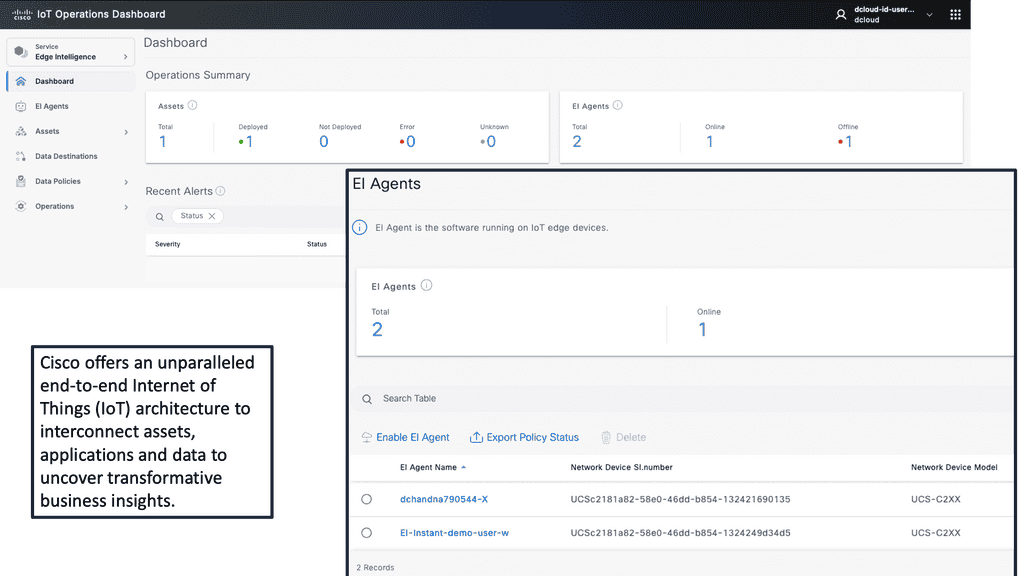
In an era where the Internet of Things (IoT) is revolutionizing industries, the Cisco IoT Operations Dashboard stands out as a crucial tool for managing and optimizing IoT deployments. This powerful platform offers real-time insights, enhanced security, and streamlined operations, making it indispensable for businesses looking to harness the full potential of their IoT solutions.

### Real-Time Monitoring and Insights

One of the standout features of the Cisco IoT Operations Dashboard is its ability to provide real-time monitoring and insights. With this tool, businesses can keep an eye on their IoT devices and networks around the clock. This continuous monitoring allows for immediate detection of issues, enabling swift responses that minimize downtime and maintain operational efficiency. The dashboard presents data in an intuitive and accessible format, making it easier for teams to stay informed and make data-driven decisions.
### Enhanced Security for IoT Deployments

Security is a paramount concern in the world of IoT, where devices are often spread across various locations and networks. The Cisco IoT Operations Dashboard addresses this challenge by offering robust security features. It includes advanced threat detection and response capabilities, ensuring that any potential vulnerabilities are quickly identified and mitigated. This proactive approach to security helps protect sensitive data and maintain the integrity of IoT systems, giving businesses peace of mind.

### Streamlined Operations and Management

Managing a large number of IoT devices can be a daunting task. The Cisco IoT Operations Dashboard simplifies this process by providing a centralized platform for device management. Whether it’s onboarding new devices, updating software, or configuring settings, the dashboard makes these tasks straightforward and efficient. This streamlining of operations not only saves time but also reduces the risk of errors, leading to smoother and more reliable IoT deployments.

### Scalability and Flexibility

As businesses grow and their IoT needs evolve, scalability becomes a critical factor. The Cisco IoT Operations Dashboard is designed with scalability in mind, allowing companies to easily expand their IoT deployments without compromising performance. Additionally, the platform’s flexibility means it can be tailored to meet the specific needs of various industries, from manufacturing to healthcare. This adaptability ensures that businesses can continue to leverage the dashboard’s capabilities as their IoT initiatives mature.
 

6LoWPAN Mesh Range & Failure Lab
Build a small 6LoWPAN mesh and see what happens when the path changes. Add relay hops, introduce interference, fail a link and send a packet to the border router. The goal is to understand the trade-off between coverage, resilience, latency and energy consumption.
Mesh Controls
Node Spacing 30 m
Larger spacing makes each individual wireless hop more demanding.
Interference 20%
Higher interference reduces the margin available on each hop.
Live 6LoWPAN Mesh
Direct path
📡 Sensor
◇ Relay R1
◇ Relay R2
◇ Relay R3
◈ Border Router
No packet transmitted
Reachability
Reachable
Active hops
1
Estimated latency
20 ms
Energy cost
Low
Link health
Good
Route state
Primary
Mesh observation: The direct topology provides the lowest hop count and therefore the simplest path. Adding relay nodes can extend practical coverage, but every additional hop introduces another wireless dependency and forwarding cost.
Engineering note: A mesh does not magically increase the radio range of an individual link. Instead, multiple shorter links can collectively cover a larger area. The trade-off is additional forwarding, routing complexity, latency and energy consumption.

6LoWPAN Range

The two dominant modern network architectures are cloud computing and the Internet of Things (IoT), sometimes called fog computing. The future of the Internet will involve many IoT objects that use standard communications architectures to provide services to end users.

Tens of billions of such devices are envisioned to be interconnected. This will introduce interactions between the physical world and computing, digital content, analysis, applications, and services. The resulting networking paradigm is called the Internet of Things (IoT).

Factors Influencing 6LoWPAN Range:

a) Transmission Power: The transmission power of a 6LoWPAN device plays a significant role in determining its range. Higher transmission power allows devices to communicate over considerable distances and consumes more energy, impacting battery life.

b) Environment: The physical environment in which 6LoWPAN devices operate can affect their effective range. Obstacles such as walls, buildings, and interference from other wireless devices can attenuate the signal strength, reducing the range.

c) Antenna Design: The design and placement of antennas in 6LoWPAN devices can impact their range. Optimized antenna designs can enhance signal propagation and improve the network’s overall range.

Extending 6LoWPAN Range:

While 6LoWPAN networks have a limited range by design, there are several techniques to extend their coverage:

a) Mesh Topology: Implementing a mesh topology allows devices to relay messages to each other, expanding the network’s coverage. By relaying packets, devices can communicate beyond their direct range, effectively extending the overall range of the network.

b) Signal Amplification: Using signal amplification techniques, such as increasing the transmission power or employing external amplifiers, can boost the signal strength and extend the range of 6LoWPAN devices.

c) Repeater Nodes: Deploying additional repeater nodes within the network can help bridge communication gaps and extend the range. These nodes receive and retransmit packets, allowing devices to communicate with each other even when they are out of direct range.

Considerations for 6LoWPAN Range Optimization:

To optimize the range of a 6LoWPAN network, it is essential to consider the following factors:

a) Power Consumption: Increasing the transmission power to extend the range can lead to higher power consumption. Balancing range and power efficiency is essential to ensure optimal device performance and battery life.

b) Network Density: The number of devices within a 6LoWPAN network can impact the overall range. Higher device density may require additional repeater nodes or signal amplification to maintain effective communication across the network.

c) Environmental Constraints: Understanding the physical environment and any potential obstacles is crucial for optimizing the range of a 6LoWPAN network. Conducting site surveys and considering the placement of devices and repeaters can significantly enhance network coverage.

**6LoWPAN Range: IoT Networking**

The Internet of Things networking design is device-type-driven and depends on the devices’ memory and processing power. These devices drive a new network paradigm, a paradigm no longer well-defined with boundaries. It is dynamic and extended to the edge where IoT devices are located. It is no longer static, as some of these devices and sensors move and sleep as required. 

There are many factors to consider when selecting wireless infrastructure. It would be best if you took into consideration

  • Range,
  • Power consumption and battery life,
  • Data requirements,
  • Security, and
  • Endpoint and operational costs of IoT devices.

These characteristics will dictate the type of network and may even result in a combination of technologies.

Similar to how applications drive the network design in a non-IoT network, the IoT device and the application it serves drive the network design in the IoT atmosphere. 

Cellular connectivity is the most widely deployed network. Still, the Internet of Things networking is expensive per node and has poor battery life as there will be way more IoT endpoints than cellular phones. New types of networks are needed.

Cellular networks are not agile enough, and provisioning takes ages. Smart IoT devices require more signaling than what traditional cellular networks are used to carrying. Devices require bi-directional signaling between each other or remote servers, which needs to be reliable. Reach is also a challenge when connecting far-flung IoT devices. 

  • Two types of networks are commonly deployed in the IoT world: short-range Low-Power and long-range Low-Power networks.

Internet of Things networking: Short-range low-power

New devices, data types, and traffic profiles result in new access networks for the “last 100 meters of connectivity”. As a result, we see the introduction of many different types of technologies at this layer – Z-Wave, ZigBee, Bluetooth, IEEE 802.15.4, 6LoWPAN Range, RFID, Edge, and Near Field Communication ( NFC ).

Devices that live on short-range networks have particular characteristics:

  1. Low cost.
  2. With low power consumption, energy is potentially harvested from another power source.
  3. It is short-range and has the potential for extension with a router or repeater.

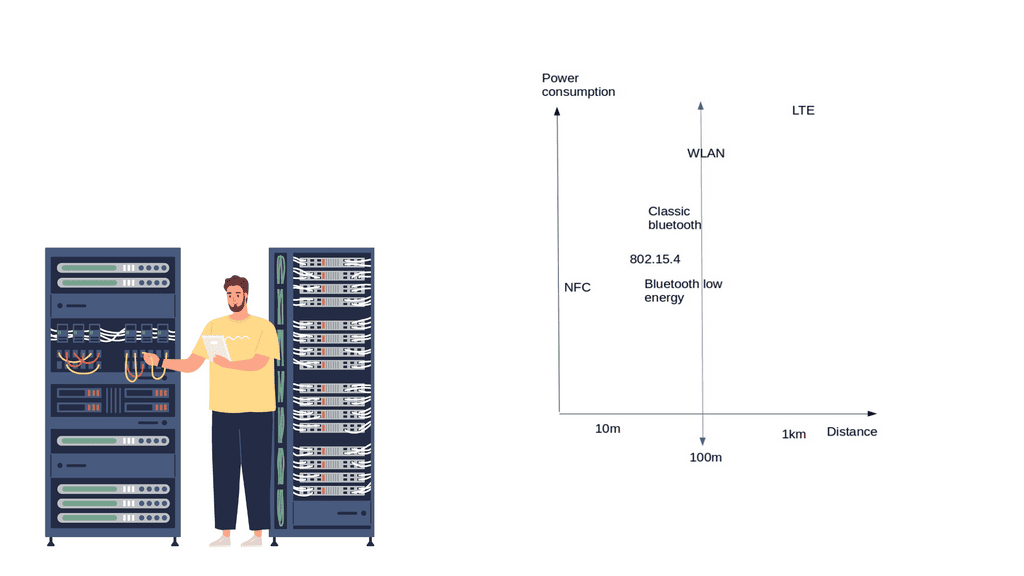
These networks usually offer a range of around 10 – 100 meters, 5 – 10 years of battery life, low bandwidth requirements, and low endpoint costs. Potentially consist of 100 – 150 adjacent devices, usually deployed in the smart home/office space.

The topologies include point-to-point, star, and mesh. A gateway device usually acts as a bridge or interface linking the outside network to the internal short-range network. A gateway could be as simple as a smartphone or mobile device. For example, a smartphone could be the temporary gateway when it approaches the sensor or device in an access control system. 

Short-range low-power technologies

    • Bluetooth low energy ( BLE ) or Bluetooth smart

Bluetooth Smart has the most extensive ecosystem with widespread smartphone integration. It fits into many sectors, including home and building, health and fitness, security, and remote control. Most smart devices, including adult toys, use Bluetooth technology.

That being said, when using Bluetooth technology, there is always a risk of being targeted by hackers. In recent years, more and more people have started to worry about Bluetooth toys getting hacked.

Nonetheless, as long as people take necessary precautions, their chances of getting hacked are relatively low. Moreover, Bluetooth has the potential for less power consumption than IEEE 802.15.4 and looks strong as a leader in the last 100 meters.

Recently, with Bluetooth 4.2, BLE devices can directly access the Internet with 6LoWPAN IoT. It has a similar range to Classic Bluetooth and additional functionality to reduce power consumption. In addition, BLE is reliable because of its support for adaptive frequency hopping ( AFH ). 

The data rate and range depict whether you can use BLE or not. If your application sends small chunks of data, you’re fine, but if you want to send large file transfers, you should look for an alternative technology. The range is suited for 50 – 150 meters, and the max data rate is 1 Mbps.
6LoWPAN Range

6LoWPAN IoT

6LoWPAN Range: IEEE 802.15.4 wireless

IEEE 802.15.4 will be the niche wireless technology of the future. It already has an established home and building automation base—the IEEE 802.15.4 market targets small battery-powered devices that wake up for some time and return to sleep. IEEE 802.15.4 consists of low-bit, low-power, and low-cost endpoints. The main emphasis is on low-cost communication between nearby devices.

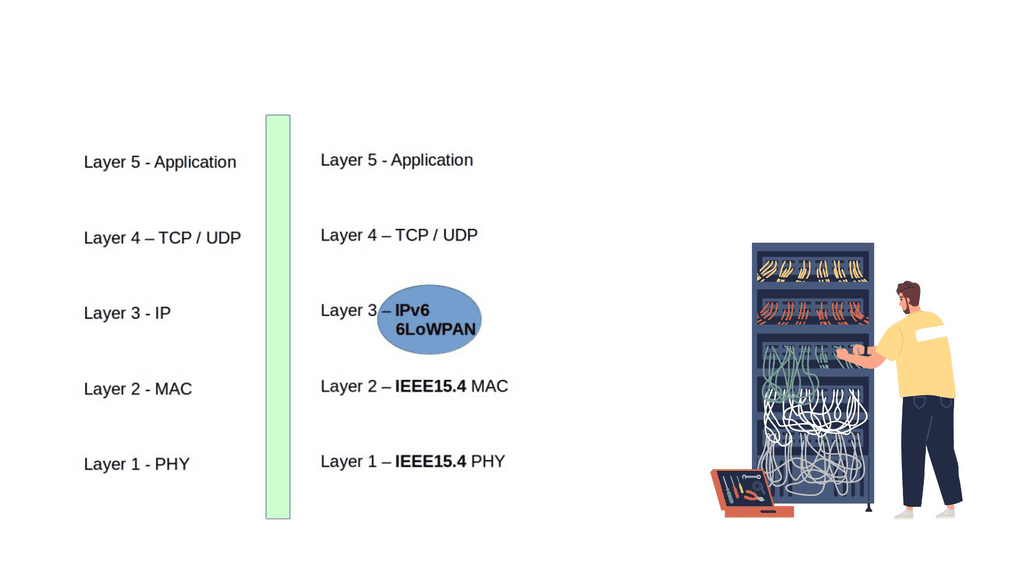
It is only the physical and MAC layers and doesn’t provide anything on top of that. This is where, for example, ZigBee and 6LoWPAN IoT come into play. Specifications such as 6LoWPAN IoT and ZigBee are built on the IEEE 802.15.4 standard and add additional functionality to the upper layers. 15.4 has simple addressing with no routing. It has star and peer-to-peer topologies. Mesh topologies are supported, but you must add layers not defined by default in IEEE.

ZigBee

ZigBee is suited for applications with infrequent data transfers of around 250 kbps and a low range between 10 – 100m. It’s a very low-cost and straightforward network compared to Bluetooth and Wi-Fi. However, it is a proprietary solution, and there is no ZigBee support for the Linux kernel, resulting in a significant performance hit for userspace interaction.

This is one of the reasons why the 6LoWPAN range would be a better option, which also runs on top of IEEE 802.15.4. NFC ( Near Field Communication ) has low power but is very short-range, enabling a simple 2-way interaction. An example would be a contactless payment transaction. WLAN (Wi-Fi) has a large ecosystem but high power consumption.

Low-power wide-area network (LPWAN) or low-power network (LPN)

BLE, ZigBee, and Wi-Fi are not designed for long-range performance, and traditional Cellular networks are costly and consume much power. On the other hand, power networks are a class of wireless networks consisting of constrained devices that process power, memory, and battery life. The battery’s length depends on the power consumption, and low power consumption enables devices to last up to 10 years on a battery.

Receiver Sensitivity

When a device transmits a signal, it needs energy from the receiving side to detect it. As always, a certain amount of power is lost during transmission. One of the reasons for LPWAN’s long reach is high receiver sensitivity. Receiver sensitivities in LPWAN operate at -130 dBm; typically, in other wireless technologies, this would be 90 – 110 dBm. Receiver sensitivity operating at -130 can detect 10,000 times quicker than at -90.

It offers long-range communication at a meager bit rate. LPWAN has a much longer range than Wi-Fi and is more cost-effective than cellular networks. Each node can be up to 10 km from the gateway. Data rates are low. Usually, only 20 – 256 bytes per message are sent daily.

These networks are optimized for specific types of data transfers consisting of small, intermittent data blocks. Not all IoT applications transmit large amounts of data. For example, a parking garage sensor only transmits when a parking space is occupied or empty. Devices within these networks are generally cheap at £5 per module and optimized for low throughput.

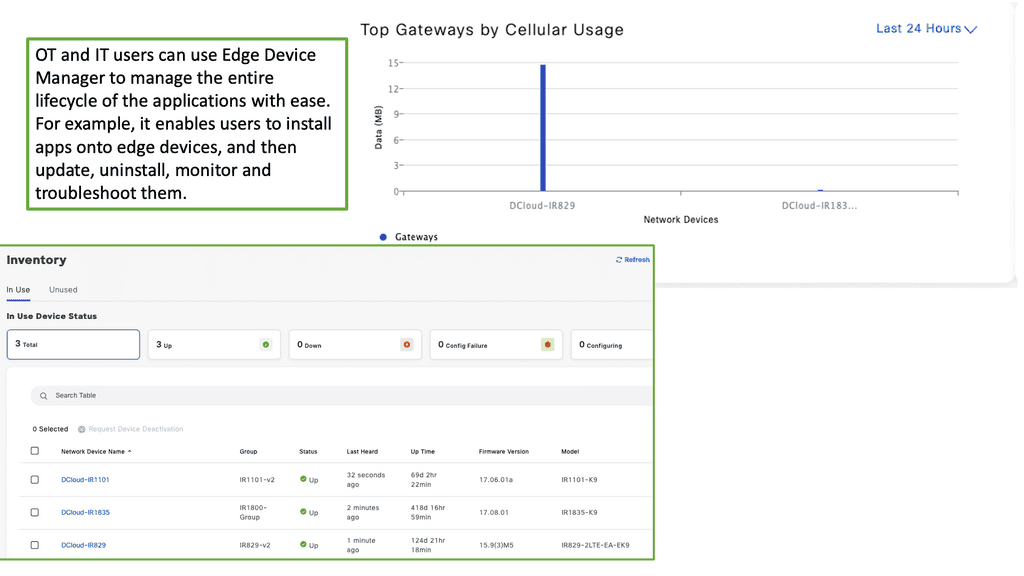
Example Product: Cisco Edge Device Manager

**Understanding Cisco Edge Device Manager**

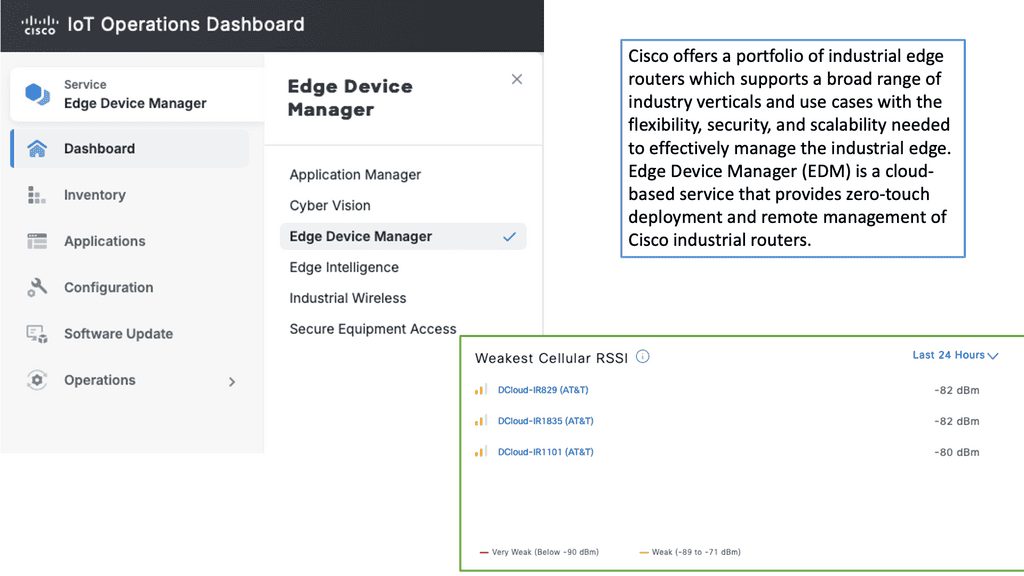
Cisco Edge Device Manager is a robust solution that provides centralized management for edge devices connected to your network. It offers a user-friendly interface that allows administrators to monitor, configure, and troubleshoot devices remotely. This means less time spent on manual configurations and more time focusing on strategic initiatives. Key features include real-time monitoring, automated updates, and secure connectivity, all designed to ensure your edge devices operate efficiently and securely.

**Seamless Integration with Cisco IoT Operations Dashboard**

One of the standout features of Cisco Edge Device Manager is its seamless integration with the Cisco IoT Operations Dashboard. This integration allows for a holistic view of your IoT ecosystem, providing valuable insights into device performance and network health. The dashboard offers advanced analytics, alerting systems, and reporting tools that help you make data-driven decisions. By combining these two powerful tools, businesses can achieve greater operational efficiency and improved device management.
**Key Benefits of Using Cisco Edge Device Manager**

1. **Enhanced Visibility**: Gain real-time insights into the status and performance of your edge devices, allowing for proactive management and swift issue resolution.

2. **Increased Security**: With built-in security features, Cisco Edge Device Manager ensures that your devices and data remain protected from cyber threats.

3. **Scalability**: As your IoT network grows, Cisco Edge Device Manager scales with it, accommodating an increasing number of devices without compromising performance.

4. **Cost Efficiency**: Reduce operational costs by automating routine tasks and minimizing the need for on-site maintenance.

**Practical Applications**

Cisco Edge Device Manager is not just a tool for IT departments; it has practical applications across various industries. For example, in manufacturing, it can monitor and manage IoT-enabled machinery to optimize production lines. In retail, it can ensure that connected devices, such as smart shelves and digital signage, operate seamlessly. In healthcare, it can manage medical IoT devices to ensure patient safety and operational efficiency. The versatility of Cisco Edge Device Manager makes it a valuable asset for any organization leveraging IoT technology.
IPv6 and IoT

All the emerging IoT standards are moving towards IPv6 and 6LoWPAN IoT. There is a considerable adoption of IPv6 in the last mile of connectivity. Deploying IPv6 brings many benefits. However, take note of IPv6 attacks. It overcomes problems with NAT, providing proper end-to-end connectivity and directly addressing end hosts. It has mobility support and stateless address autoconfiguration.

The fundamental problem with NAT is performance. Performance gets very painful when everything is NAT’d for an IoT device to be contacted from the outside. NAT also breaks flexibility in networking as an IoT device can only be accessed if it first contacts.

This breaks proper end-to-end connectivity, and sharing IoT infrastructure among providers is challenging. We need a NAT-free, scalable network that IPv4 cannot offer, a solution that does not require gateways or translation devices and only adds to network complexity.

It’s far better to use IPv6 and 6LowPANn IoT than proprietary protocols. It’s proven to work, and we have much operational experience. With 6LoWPAN, IPv6 can be compressed into a couple of bytes of data, which is helpful for small and power-constrained devices.

6LoWPAN Range on IEEE 802.15.4 networks

6LoWPAN is all about transmitting IP over IEEE 802.15.4 networks. As the name suggests, its IPv6 over LoWPAN ( IEEE 802.15.4 ) enables IP to be used on the smallest devices. Rather than using an IoT application protocol like Bluetooth and ZigBee, 6LoWPAN IoT is a network layer protocol with frequency band and physical layer freedom. It’s suitable for small nodes ( 10 kilobytes of RAM ) and sensor networks for machine-to-machine communication. 

15.4 has four types of frames 1) Beacon, 2) MAC command, 3) ACK, and 4) Data – this is where the IPv6 RA packets must be carried.

6LoWPAN is an adaption layer between the data link and network layer ( RFC 4944 ). It becomes part of the network layer. So, instead of using IPv6 natively on the MAC layer, they have a shim layer that adapts between the data and network layer. As a network layer protocol, it doesn’t provide any functionality above layer 3. As a result, it is often used in conjunction with Constrained Application protocols ( CoAP ) and MQTT ( machine-to-machine (M2M)/”Internet of Things ) protocols.
6LoWPAN Range
Diagram: 6LoWPAN

6LoWPAN Range: Header compression and fragmentation

IPv6 allows a maximum packet size of 1280 bytes. However, the maximum transfer size 802.15.4 is a 127-byte MTU, meaning a complete IPv6 packet does not fit in a 15.4 frame. By default, a 127-byte 15.4 frame only leaves 33 bytes for the payload. This small frame-size support is one of the reasons why deploying a full IP stack would be challenging. A couple of things must be done to make this work and compliant with IPv6 standards. To use IPv6, we need to adjust header overhead and adaptations for MTU size.

The first thing we must do is bring fragmentation back to IPv6. To allow such packets, we define a fragmentation scheme. The 11-bit fragmentation header allows for a 2048-byte packet size with fragmentation. However, many tables in the IPv6 header are static, and you might not need them. So, the version will always be 0, and so will the traffic class and flow label. 

Finally, for the Internet of Things networking, remember that the entire TCP/IP stack is not one size fits all and would certainly reach hardware limitations on small devices. It’s better to use UDP ( DTLS ) instead of TCP. Packet loss on the lossy network may invoke additional latencies while TCP carries out retransmissions. You can still use TCP, but it won’t be optimized, and the headers will not be compressed.

6LoWPAN technology offers a low-power and cost-effective solution for IoT deployments. By understanding the factors influencing its range, implementing range-extending techniques, and optimizing network parameters, organizations can ensure reliable connectivity and seamless communication within their IoT ecosystems. As the IoT landscape continues to evolve, 6LoWPAN will remain a vital connectivity option, enabling innovative applications and driving the growth of the IoT industry.
IPv6 Header Compression & Fragmentation Lab
See why 6LoWPAN needs an adaptation layer between IPv6 and constrained IEEE 802.15.4 links. Adjust the packet size and payload budget, enable header compression, and observe when an IPv6 packet fits into one frame or must be fragmented.
Packet Adaptation Controls
IPv6 Packet Size 320 bytes
IPv6 can carry packets much larger than a single constrained 802.15.4 frame.
Illustrative Frame Payload Budget 80 bytes
Available payload varies with actual MAC headers, addressing, security and other frame overhead.
Model: Effective payload per frame = illustrative frame budget − adaptation/security overhead. Fragment count is then calculated from the packet size and effective payload capacity.
6LoWPAN Adaptation Process
IPv6 Original packet
→
6LoWPAN Adaptation
→
802.15.4 Constrained frame
Packet representation READY
IPv6 Header
Application / Transport Data
Effective payload / frame
72 B
Fragment count
5
Adaptation overhead
8 B
Header mode
Compressed
Frame efficiency
90%
Transmission state
Fragmented
Adaptation observation: The IPv6 packet is larger than the available payload capacity of one constrained frame, so the 6LoWPAN adaptation process must represent it as multiple fragments.
Engineering note: The numbers shown here are deliberately illustrative. IEEE 802.15.4 has a small maximum frame size, but the payload actually available to an IPv6 packet depends on MAC headers, addressing, security and other implementation details. 6LoWPAN provides mechanisms including header compression and fragmentation to make IPv6 practical over constrained links.

Internet of Things Theory

Internet of Things Theory

The Internet of Things (IoT) has evolved from the simple idea of connecting physical devices to the Internet into a broader architecture for collecting, transporting, processing, and acting on data from the physical world. Sensors, actuators, embedded systems, gateways, networks, cloud platforms, and edge-computing infrastructure can work together to monitor environments, control equipment, automate processes, and provide real-time operational insight.

At its core, IoT connects physical assets to digital systems. Devices can measure conditions such as temperature, pressure, location, vibration, energy consumption, motion, or equipment status. That information can then be transported across an appropriate network, processed locally or centrally, and used by applications or automation systems. The resulting architecture is typically more complex than a simple device-to-cloud connection and may involve multiple layers between the physical device and the final application.

Sensors and Actuators: Sensors provide the interface between the physical environment and the digital system. They can measure environmental conditions, equipment performance, movement, electrical characteristics, or other physical properties. Actuators provide the reverse path, allowing software and control systems to influence the physical environment by switching equipment, adjusting valves, controlling motors, changing temperatures, or performing other actions.

Connectivity: IoT devices can use many different connectivity technologies depending on their requirements. Wi-Fi and Ethernet can provide high-bandwidth local connectivity, while Bluetooth Low Energy can support short-range and low-power devices. Technologies such as IEEE 802.15.4, Thread, Zigbee, LoRaWAN, NB-IoT, LTE-M, and 5G can address different combinations of range, bandwidth, mobility, reliability, and energy consumption. There is therefore no single “IoT network”; connectivity should be selected according to the application and operating environment.

Protocols and Interoperability: Connectivity and application protocols solve different problems. A device may use a particular radio or IP network while communicating with an application through protocols such as MQTT, CoAP, HTTP, or other industrial and IoT-specific protocols. Gateways can also translate between legacy protocols, constrained device networks, and modern IP-based systems. This layered approach allows heterogeneous devices to participate in a broader IoT architecture.

Edge Computing: Not all IoT data needs to travel directly to a cloud platform. Edge gateways and computing platforms can process information close to where it is generated. Local processing can reduce latency, lower bandwidth consumption, improve resilience during connectivity interruptions, and support applications where data should remain close to its source. Edge systems can filter, aggregate, analyse, and act on sensor data before forwarding selected information to central platforms.

Cloud and IoT Platforms: Cloud platforms provide scalable infrastructure for device management, data storage, analytics, application integration, and long-term processing. They can aggregate information from large numbers of geographically distributed devices and combine IoT data with enterprise, application, and business systems. This makes it possible to analyse historical behaviour, identify trends, manage fleets of devices, and build higher-level applications.

Data and Analytics: The value of IoT comes from more than simply collecting measurements. Data can be correlated with time, location, identity, equipment state, application information, and other operational telemetry. Analytics and machine-learning systems can then identify anomalies, predict equipment failures, optimise processes, and support automated decisions. In more advanced architectures, streaming analytics can process events continuously rather than waiting for periodic batch analysis.

Security and Device Identity: IoT introduces a large and diverse attack surface because devices may be deployed in locations that are difficult to physically protect and may remain operational for many years. Secure device identity, authentication, encryption, secure onboarding, network segmentation, access control, firmware protection, vulnerability management, and secure software updates are therefore fundamental components of an IoT architecture.

Device Lifecycle Management: IoT systems must also manage devices throughout their operational lifecycle. Provisioning, configuration, monitoring, certificate or credential management, firmware updates, health monitoring, replacement, and secure decommissioning all need to be considered. A deployment containing thousands or millions of devices cannot rely on manual administration.

Modern IoT architectures therefore form a connected pipeline:

Physical Environment → Sensors/Actuators → Connectivity → Edge/Gateway → IoT Platform → Data & Analytics → Applications/Automation

The exact architecture varies by use case. A smart building may combine sensors, building-control systems, Ethernet, Wi-Fi, and edge gateways, while an industrial deployment may use specialised field protocols, industrial gateways, private cellular networks, and local control systems. A remote environmental-monitoring system may prioritise battery life and long-range low-power connectivity instead.

The Internet of Things is consequently best understood not simply as a collection of connected devices, but as an end-to-end cyber-physical architecture. Its effectiveness depends on how well devices, connectivity, edge processing, cloud services, data platforms, security controls, and applications work together.

The modern IoT challenge is therefore not merely connecting more things. It is building systems that can securely sense, communicate, analyse, decide, and act at scale, while remaining reliable and manageable throughout the lifetime of the deployment.

IoT Architecture Lab

From Sensor to Intelligent Action

Explore how an IoT system moves data from the physical world through connectivity, edge or cloud processing, analytics and finally back to an actuator.

Architecture Controls
Local decision-making
Reduce round-trip dependency
Continuous telemetry
More data sent upstream
Live IoT Data Path
Ready
S
Sensor
Temperature
+ vibration
›
N
Connectivity
Wi-Fi
IP network
›
E
Edge
Gateway filtering
Local inference
›
A
Analytics
Detect anomaly
Generate insight
›
X
Actuator
Alarm / control
Physical action
Illustrative latency
18 ms
Upstream data
Medium
Decision location
Edge
Response
Fast
Engineering Interpretation

Edge processing keeps time-sensitive decisions closer to the sensor. The cloud can still be used for aggregation, historical analysis and fleet-wide intelligence.

SYSTEM READY — Configure the architecture and evaluate the data path.

Highlights: Internet of Things Theory

IoT Theory

IoT: The Fundamentals:

The IoT theory is built on the foundation of connectivity and intercommunication. It involves the integration of sensors, software, and networks to enable data exchange between devices. This section will delve into the core components of the IoT, including sensors, actuators, connectivity protocols, and cloud platforms that form the backbone of this interconnected ecosystem.

IoT has already made a significant impact on various aspects of our daily lives. In homes, smart devices like voice-activated assistants, security cameras, and lighting systems enhance convenience and security. In the healthcare sector, IoT enables remote patient monitoring, improving healthcare delivery and patient outcomes. Meanwhile, in industries such as agriculture, IoT is revolutionizing farming practices through precision agriculture, where sensors and analytics help optimize crop yields and resource management.

The Internet Transformation:

The Internet is transforming, and this post discusses the Internet of Things Theory and highlights Internet of Things access technologies. Initially, we started with the Web and digitized content. The market then moved to track and control the digitized world with, for example, General Packet Radio Service ( GPRS ). 

Machine-to-machine ( M2M ) connectivity introduces a different connectivity model and application use case. Now, we embark on Machine Learning, where machines can make decisions with supervised or unsupervised controls. This transformation requires new architecture and technologies to support IoT connectivity, including event stream processing and the 6LoWPAN range.

Note: IoT Theory Key Points:

– The IoT theory revolves around the concept of connecting everyday objects to the internet, enabling them to send and receive data. This section will explain the fundamental principles behind IoT, including sensors, connectivity, and data analysis.

– IoT has permeated various aspects of our daily lives, making activities more convenient and efficient. From smart homes that automate tasks to wearable devices that track health and fitness, this section will explore the numerous applications of IoT in our routines.

– Industries across the board have embraced IoT to streamline operations, enhance productivity, and reduce costs. We will take a closer look at how IoT is transforming manufacturing, transportation, healthcare, and agriculture, among other sectors.

– With the immense potential of IoT come significant impacts and challenges. This section will discuss the positive effects of IoT on sustainability, data analysis, and urban planning, as well as the concerns surrounding privacy, security, and data breaches.

**Distributed Edge Intelligence**

Traditional networks start with a group of network devices and a box-by-box mentality. The perimeter was more or less static. The move to Software-Defined Networking ( SDN ) implements a central controller, pushing networking into the software with the virtual overlay network. As we introduce the Internet of Things theory, the IoT world steadily progresses, and we require an application-centric model with distributed intelligence and time series data.

The Internet of Things theory connects everyday objects to the Internet, allowing them to communicate and share data. This section will provide a comprehensive overview of IoT’s fundamental concepts and components, including sensors, actuators, connectivity, and data analysis.

**Real-world Applications**

IoT has permeated various industries, from smart homes to industrial automation, bringing significant advancements. There are a showcase a range of practical applications, such as smart cities, wearable devices, healthcare systems, and transportation networks. By exploring these examples, readers will understand how IoT reshapes our lives.

**IoT Challenges and Concerns**

While the potential of IoT is immense, some challenges and concerns need to be addressed. This section will delve into data privacy, security vulnerabilities, ethical considerations, and the impact on the workforce. By understanding these challenges, we can work towards creating a safer and more sustainable IoT ecosystem.

The evolution of IoT theory is an ongoing process. In this section, we will explore the future implications of IoT, including the integration of artificial intelligence, machine learning, and blockchain technologies. Additionally, we will discuss the potential benefits and risks that lie ahead as the IoT landscape continues to expand.

Example Product: Cisco IoT Operations Dashboard

**What is the Cisco IoT Operations Dashboard?**

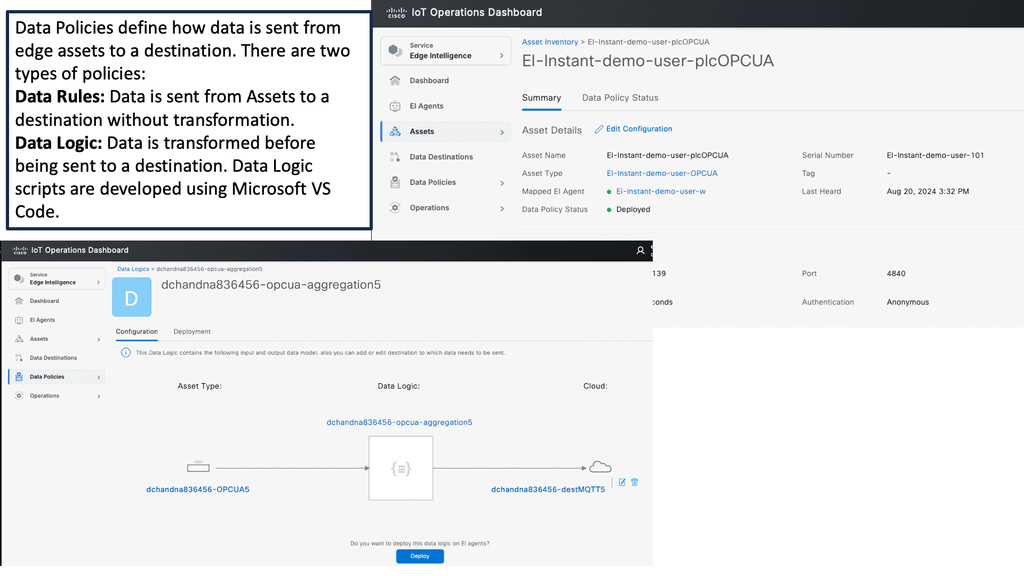
The Cisco IoT Operations Dashboard is a cloud-based platform designed to simplify the management and monitoring of IoT devices. With its user-friendly interface and robust features, this dashboard allows businesses to seamlessly integrate, manage, and secure their IoT deployments. Whether you’re overseeing a small network of sensors or a vast array of connected devices, the Cisco IoT Operations Dashboard offers a scalable solution that grows with your needs.

**Key Features and Benefits**

1. **Comprehensive Device Management**

The dashboard provides a centralized view of all connected devices, enabling administrators to monitor device status, performance, and connectivity. This holistic approach ensures that any issues can be quickly identified and resolved, minimizing downtime and enhancing productivity.

2. **Enhanced Security**

Security is paramount in any IoT deployment. The Cisco IoT Operations Dashboard incorporates advanced security features, including end-to-end encryption, secure boot, and firmware updates. These measures protect your network from potential threats and ensure the integrity of your data.

3. **Scalability and Flexibility**

As your IoT network expands, the Cisco IoT Operations Dashboard scales effortlessly to accommodate new devices and applications. Its flexible architecture supports a wide range of protocols and standards, making it compatible with diverse IoT ecosystems.

**Real-World Applications**

The versatility of the Cisco IoT Operations Dashboard makes it suitable for various industries. In manufacturing, for instance, it can monitor machinery health and predict maintenance needs, reducing downtime and operational costs. In agriculture, the dashboard can track soil moisture levels and weather conditions, optimizing irrigation and improving crop yields. The potential applications are vast, underscoring the dashboard’s value across different sectors.

**Getting Started with Cisco IoT Operations Dashboard**

Implementing the Cisco IoT Operations Dashboard is straightforward. Businesses can begin by identifying their IoT needs and selecting the appropriate devices and sensors. Once the hardware is in place, the dashboard provides guided setup instructions to connect and configure devices. With its intuitive interface, users can quickly familiarize themselves with the platform and start leveraging its features to enhance their operations.


Edge vs Cloud Experiment

Where Should the IoT Decision Happen?

Change the telemetry rate, processing location and filtering strategy. Then observe how the architecture changes its latency, upstream bandwidth, cloud workload and responsiveness.

Experiment Controls
40 %
Local filtering
Discard routine telemetry at the edge
Local control loop
Allow immediate edge response
Live Data Path
Ready
01
IoT Devices
Sensors generate telemetry
›
EDGE
Edge Gateway
Filter + respond locally
›
CLOUD
Cloud Platform
Aggregate + analyse
›
AI
Decision
Detect event and act
Response latency
22 ms
Upstream traffic
Low
Cloud workload
35%
Control response
Local
Upstream Bandwidth Pressure
32%
Decision Responsiveness
High
Engineering Insight

Edge-first processing is useful when the application needs fast local decisions or when sending every telemetry sample upstream is inefficient.

SYSTEM READY — Configure the experiment and run the IoT data path.

Internet of Things Theory

Internet of Things Theory and Use Cases

Applications of IoT:

The applications of IoT are vast and encompass various sectors, including healthcare, agriculture, transportation, manufacturing, and more. IoT is revolutionizing patient care in healthcare by enabling remote monitoring, wearable devices, and real-time health data analysis.

The agricultural industry benefits from IoT by utilizing sensors to monitor soil conditions and weather patterns and optimize irrigation systems. IoT enables intelligent traffic management, connected vehicles, and advanced navigation systems in transportation, enhancing efficiency and safety.

**Benefits and Challenges**

The Internet of Things offers numerous benefits, such as increased efficiency, improved productivity, enhanced safety, and cost savings. Smart homes, for instance, enable homeowners to control and automate various aspects of their living spaces, resulting in energy savings and convenience. IoT allows predictive maintenance, optimizes operations, and reduces downtime in the industrial sector.

However, with the vast amount of data generated by IoT devices, privacy and security concerns arise. Safeguarding sensitive information and protecting against cyber threats are critical challenges that must be addressed to ensure IoT’s widespread adoption and success.

**Enhanced Efficiency and Productivity**

With IoT, massive automation and real-time data collection have become possible. This translates into increased efficiency and productivity across industries. From smart factories optimizing production processes to automated inventory management systems, IoT streamlines operations and minimizes human intervention.

**Improved Quality of Life**

IoT has the potential to enhance our daily lives significantly. Smart homes with IoT devices allow seamless control of appliances, lighting, and security systems. Imagine waking up to a house that adjusts the temperature to your preference, brews your morning coffee, and even suggests the most efficient route to work based on real-time traffic data.

Leveraging IoT can significantly enhance safety and security measures. Smart surveillance systems can detect and react to potential threats in real-time. IoT-enabled wearable devices can monitor vital signs and send alerts during emergencies, ensuring timely medical assistance.

**Environmental Sustainability**

IoT plays a crucial role in promoting environmental sustainability. Smart grids enable efficient energy management and reduce wastage. IoT devices can monitor ecological parameters like air quality and water levels, facilitating proactive measures to protect our planet.

**The Future of IoT**

The Internet of Things has only scratched the surface of its potential. As technology advances, we can expect IoT to become more sophisticated and integrated into our daily lives.

The emergence of 5G networks will enable faster and more reliable connectivity, unlocking new possibilities for IoT applications. From intelligent cities that optimize energy consumption to personalized healthcare solutions, the future of IoT holds immense promise.

Example Product: Cisco Edge Device Manager

### What is Cisco Edge Device Manager?

Cisco Edge Device Manager is a cloud-based platform that provides centralized management for edge devices. It allows network administrators to monitor, configure, and troubleshoot devices remotely, thereby reducing the need for on-site interventions. This tool is particularly beneficial for businesses with distributed networks, where maintaining consistent performance can be challenging.

### Key Features and Benefits

#### Centralized Management

One of the standout features of Cisco Edge Device Manager is its ability to provide a single pane of glass for network management. Administrators can oversee all edge devices from a unified interface, making it easier to implement updates, monitor performance, and address issues promptly.

#### Enhanced Security

Security is a top priority in today’s digital age. Cisco Edge Device Manager integrates advanced security protocols to ensure that all managed devices are protected against potential threats. Features such as automated firmware updates and real-time security alerts help maintain a robust security posture.

#### Scalability and Flexibility

Whether you’re managing a small network or a vast array of devices across multiple locations, Cisco Edge Device Manager scales effortlessly to meet your needs. Its flexible architecture supports a wide range of applications, making it an ideal choice for businesses of all sizes.

### Integration with Cisco IoT Operations Dashboard

Cisco Edge Device Manager is a key component of the Cisco IoT Operations Dashboard, a holistic platform designed to streamline IoT operations. This integration allows for seamless data flow and enhanced visibility across all connected devices. By leveraging the capabilities of both tools, businesses can achieve greater operational efficiency and drive innovation.

### Real-World Applications

#### Smart Cities

In smart city deployments, managing a multitude of connected devices can be daunting. Cisco Edge Device Manager simplifies this task by providing centralized control, ensuring that all devices operate optimally and securely.

#### Industrial Automation

In industrial settings, downtime can be costly. With Cisco Edge Device Manager, companies can proactively monitor equipment, perform predictive maintenance, and minimize disruptions, thereby enhancing productivity and reducing operational costs.

Back to Basics With the Internet of Things Theory

When introducing the Internet of Things theory, we need to examine use cases. We know that IoT enables everyday physical objects, such as plants, people, animals, appliances, objects, buildings, and machines, to transmit and receive data—the practical use case for IoT is bound only to the limits of our imagination.

The devices section is where we will see the most innovation and creativity. For example, there has been plenty of traction in the car industry as IoT introduces a new era of hyperconnected vehicles. Connected cars in a mesh of clouds form a swarm of intelligence.

The ability to retrieve data from other vehicles opens up new types of safety information, such as black ice and high winds detection.

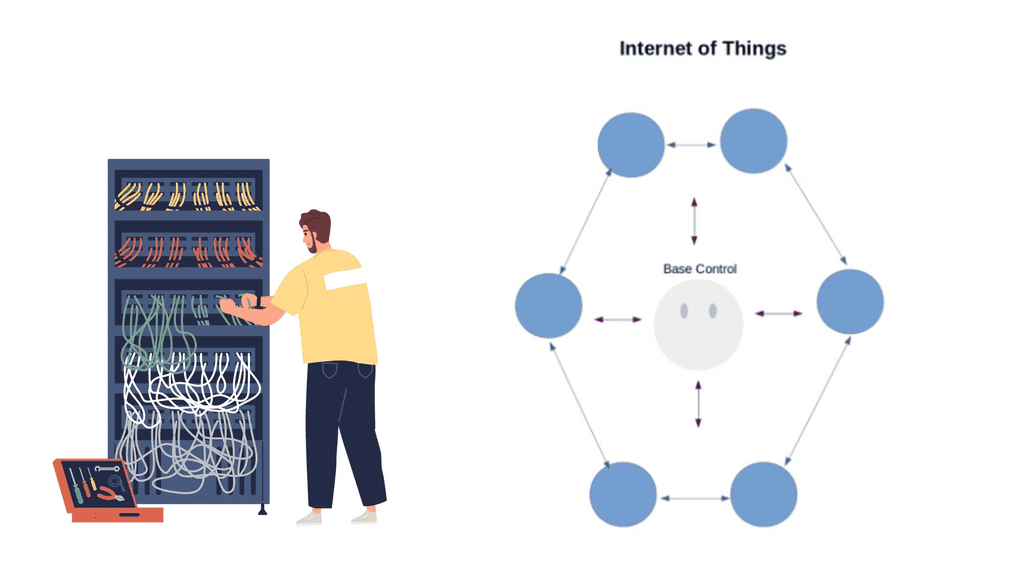
Internet of things theory
Diagram: Internet of Things theory.

A: – ) No one can doubt that the Internet has a massive impact on society. This digital universe enables all types of mediums to tap into and communicate. In one way or another, it gets woven into our lives, maybe even to the point where people decide to use the Internet as a base point in starting their businesses. More importantly, the Internet is a product made by “people.” 

B: – ) we are heading into a transformation stage that will make our current connectivity model look trivial. The Internet of Things drives a new Internet, a product made by “things,” not just people. These things or smart objects consist of billions or even trillions of non-heterogeneous devices. The ability of devices to sense, communicate, and acquire data helps build systems that manage our lives better.

C: – ) are beginning to see the introduction of IoT into what’s known as smart cities. In Boston, an iPhone app called Catchthebusapp informs application owners of public transport vehicles’ location and arrival times. GPRS trackers installed on each car inform users when they are running late.

D: – ) example proves that we are about to connect our planet, enabling a new way to interact with our world. The ability to interact, learn, and observe people and physical objects is a giant leap forward. Unfortunately, culture is one of the main factors for resistance.

 Internet of thing Theory and IoT security

Due to IoT’s immaturity, concerns about its security and privacy are raised. The Internet of Things Security Foundation started in 2015 in response to these concerns. Security is often an afterthought because there is a rush to market with these new devices.

This leaves holes and gaps for cybercriminals to exploit. It’s not just cybercriminals who can access information and data; it’s so easy to access personal information nowadays. This explains the rise in people utilizing Proxy Services to protect their identity and allow for some privacy while protecting against hackers and those wanting to obtain personal data. The IoT would benefit from this proxy service.

A recent article on the register claims that a Wi-Fi baby heart monitor may have the worst IoT security of 2016. All data between the sensor and base station is unencrypted, meaning an unauthenticated command over HTTP can compromise the system. Channels must be encrypted to overcome information and physical tampering.

Denial-of-sleep attacks

IoT also opens up a new type of DDoS attack called denial-of-sleep attacks that drain a device’s battery. Many of these devices are so simplistic in design that they don’t support sophisticated security approaches from a hardware and software perspective. Many IoT processors are not capable of supporting strong security and encryption.

IoT opens up the back door to potentially billions of unsecured devices used as a resource to amplify DDoS attacks. The Domain Name System ( DNS ) is an existing lightweight protocol that can address IoT security concerns. It can tightly couple the detection and remediation of DDoS tasks. In addition, analyzing DNS queries with machine-learning techniques predicts malicious activity.

 Internet of Things Theory: How Does it Work?

IoT is a concept, not a new technology. It connects data so applications can derive results from viewing the analytics. However, it’s a complex environment and not a journey a single company can take. Partnerships must be formed to offer a total data center-to-edge solution for a complete end-to-end solution.

Sense & Communicate

To have something participate in the Internet of Things, we must follow a few steps. At a fundamental level, we have intelligent objects that can “sense and communicate.” These objects must then be able to interact and collaborate with other things on the Internet.

These things or smart objects comprise a physical entity and a digital function. The physicals include sensory capabilities to measure temperature, vibration, and pollution data.

Sensors transmit valuable data to an Internet of Things Platform. The central IoT platform integrates data from many heterogeneous devices and shares the analytics with various applications addressing use cases that solve specific issues. The actuators perform a particular task – opening a window or a lock, changing traffic lights, etc.

Data Flow & Network Connectivity

The type of device depicts the chosen network connectivity. We have two categories: wireless and Wired. For example, a hospital would connect to the control center with a wired connection ( Ethernet or Serial ), while other low-end devices might use a Low-Power, Short-Range network.

Low-power short-range networks are helpful for intelligent homes with point-to-point, star, and mesh topologies. Devices using this type of network range between tens and hundreds of meters. They require long battery life, medium density, and low bandwidth. The device type does depict the network. If you want the battery to last ten years, you need the correct type of network for that.

Fog computing

Machine learning and IoT go hand in hand. With the sheer scale of IoT devices, there is too much data for the human mind to crunch. This results in the analysis carried out on the fly between devices or distributed between gateways at the edge. Fog computing pushes processing and computation power down to the actual device.

This is useful if there are expensive satellite links and when it is cost-effective to keep computation power at the device level instead of sending it over network links to the control center.

It’s also helpful when network communications increase the battery consumption in the sensor node. We expect to see a greater demand for fog computing systems as the IoT becomes more widely accepted and incorporated.

 6LoWPAN

Gartner released a report stating over 20 billion devices will participate in the Internet of Things by 2020. A person may have up to 5,000 devices to interact with. This type of scale would not be possible without the adoption of IPv6 and 6LoWPAN. 6LoWPAN Range stands for Low-power Wireless Personal Area Networks. It enables small, low-powered, memory-constrained devices to connect and participate in IoT.

Its base topology has several mesh-type self-healing 6LoWPAN nodes connected to the Edge router for connectivity and integration to the Internet. The edge routers act as a bridge between the RF and Ethernet networks.

IoT Architecture Challenge

Design the Right IoT Architecture

Apply the concepts from the article. Read the operational requirements, choose an architecture, and justify where connectivity, processing and decision-making should occur.

Scenario 01

Remote Industrial Pump

A remote industrial pump is monitored by vibration and temperature sensors. An abnormal vibration event may indicate an impending failure. The system must react quickly even if the upstream network connection becomes unreliable.

L
Very low response latency
P
Constrained remote power
N
Intermittent wide-area connectivity
S
Secure telemetry and control
Choose the Best Architecture
Score: 0 / 1
Engineering Diagnosis

Select an architecture and evaluate the design against the scenario requirements.

Sensors
Vibration + temperature
›
Edge Gateway
Local event detection
›
Cloud
Historical analytics
›
Pump Control
Protective action
SYSTEM READY — Select an architecture to begin the challenge.